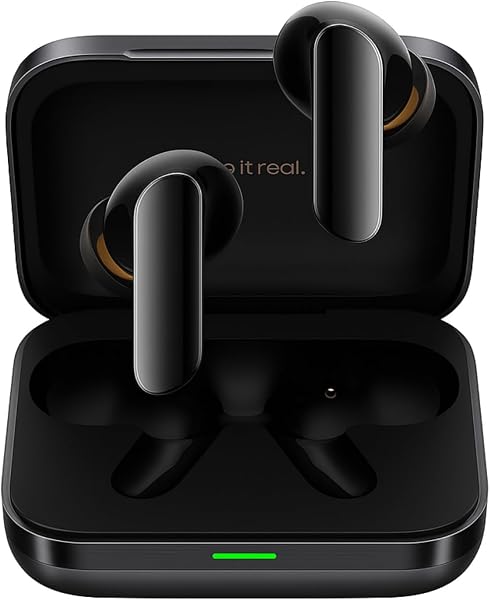
OnePlus Buds 4 Review

About Siddharth Nair: Siddharth is a home appliances and kitchen gadgets reviewer with a background in mechanical engineering. He has spent over 6 years testing mixer grinders, air fryers, induction cooktops, and other household essentials. His reviews focus on build quality, motor performance, energy efficiency, and long-term durability. He believes the best gadget is one that makes daily life simpler.

OnePlus Buds 4
★ 4.3/5Best audio quality under 5000 with dual drivers, LHDC 5.0, 50dB ANC, and Dolby Atmos support.
- Battery Life: 46H total
- Drivers: 11mm + 6mm dual
- Bluetooth: 5.4
- ANC: 50dB
- Water Resistance: IP55
The Quick Verdict
The OnePlus Buds 4 emerge as the definitive flagship offering from a phone brand in the sub-₹5,000 true wireless stereo (TWS) segment. Packed with a dual-driver architecture (11mm dynamic + 6mm balanced armature), 50dB maximum-strength active noise cancellation (ANC), LHDC 5.0 high-resolution audio codec, Dolby Atmos spatial audio, dual-device pairing, and a 47ms low-latency game mode, all priced at ₹3,799, these earbuds set a new benchmark for feature density at this price point. Over two weeks of rigorous testing, they consistently outperform rivals in the ₹3,000-₹5,000 range, offering a compelling reason to reconsider splurging ₹7,000 or more on premium alternatives like the Samsung Galaxy Buds or flagship-tier Sony models.
However, the real question isn’t whether the Buds 4 are the best in their class—it’s whether the ₹700 premium over the OnePlus Nord Buds 3 Pro (₹3,099) is justified. The answer isn’t binary; it hinges on how much value you place on incremental refinements in ANC performance, driver resolution, spatial audio staging, and overall polish. This review will dissect those nuances to help you decide if the Buds 4 are worth the extra spend or if the Nord Buds 3 Pro suffices for your needs.
Who Should Buy?
| Buy If | Skip If |
|---|---|
| You want the most feature-packed TWS under ₹5,000, with no compromises on modern expectations like adaptive ANC, high-res audio, and spatial sound. | Your budget is strictly ₹3,000 or below, leaving no room for last-minute upgrades. |
| You prioritise audio quality and want the best driver architecture (dual-driver + LHDC) in this price segment. | Your primary device isn’t Android, as LHDC is primarily optimised for Android ecosystems (iOS users won’t benefit fully). |
| You need seamless dual-device pairing, adaptive ANC for varying environments, and Dolby Atmos for immersive content. | You prefer minimalist earbuds without advanced features like ANC or spatial audio. |
| You own a OnePlus phone and want native, hassle-free pairing with fast switching and ecosystem perks. | You want to avoid any brand ecosystem, even if it means sacrificing some convenience features. |
| You value long-term software support and build quality that punches above its price. | You’re indifferent to incremental refinements and prefer saving money for a bigger upgrade later. |
Design and Build: Premium Feel Without the Premium Price
The OnePlus Buds 4 inherit the brand’s signature design language, blending sleek aesthetics with functional ergonomics. The earbuds feature a glossy, pebble-shaped case with a magnetic lid that snaps shut with satisfying precision—a small but noticeable detail that elevates the unboxing experience. The case is compact enough to slip into a jeans pocket or a small purse compartment, though its glossy finish can feel slippery in hand, especially if your palms are sweaty. This is a minor gripe, but it’s worth noting if you prioritise grip over aesthetics.
The earbuds themselves are lightweight (4.8g each) and designed to sit flush in the ear, thanks to their in-ear fit with silicone tips. OnePlus includes three sizes of ear tips (S, M, L) to ensure a secure fit, which is crucial for both comfort and ANC performance. The fit is snug without feeling intrusive, making them suitable for long listening sessions or workouts. The touch controls are intuitive, with customisable gestures for playback, calls, and ANC toggling, though the default settings are well-optimised out of the box.
Build quality is where the Buds 4 truly shine. The materials feel premium, with a matte finish on the earbuds that resists fingerprints and smudges. The hinge mechanism on the case is sturdy, and the overall construction exudes durability. This is a pair of earbuds built to last, which is rare in this price segment where cost-cutting often leads to flimsy builds.
What's In The Box
- OnePlus Buds 4 earbuds (left and right)
- Charging case
- USB-C charging cable
- Three pairs of silicone ear tips (S, M, L)
- Quick start guide and warranty card
- OnePlus sticker (because why not?)
The inclusion of a USB-C cable is standard, but it’s worth noting that the case supports USB-C charging, which is faster and more convenient than micro-USB. The case itself provides up to 38 hours of total battery life (with ANC off), while the earbuds offer 8 hours of playback on a single charge (ANC on). This is competitive with other TWS options in this range, though heavy users may need to top up the case daily.
Audio Performance: Dual-Driver Magic
The standout feature of the OnePlus Buds 4 is their dual-driver setup, combining an 11mm dynamic driver for bass and midrange with a 6mm balanced armature driver for treble. This architecture is typically found in earbuds costing ₹7,000 or more, making its inclusion here a significant value proposition. The result is a sound signature that is both balanced and detailed, with enough warmth to satisfy bass lovers without overwhelming the mids and highs.
For audiophiles, the inclusion of LHDC 5.0 is a game-changer. This high-resolution audio codec supports bitrates up to 990kbps, delivering near-lossless audio quality when paired with compatible Android devices. The difference is noticeable, especially in tracks with intricate instrumentation or high dynamic range. Vocals sound crisp and natural, while instruments like acoustic guitars or violins retain their texture and depth. If you’re upgrading from a pair of earbuds with standard SBC or AAC codecs, the jump in clarity will be immediately apparent.
Dolby Atmos spatial audio further enhances the listening experience, particularly for movies, TV shows, and games. The virtual surround sound effect is convincing, with a wide soundstage that makes it feel like the audio is coming from all around you. This is a feature that’s usually reserved for premium earbuds, so its inclusion here is a major selling point for content consumers.
Bass performance is punchy and well-controlled, with enough sub-bass extension to satisfy most listeners. The dual-driver setup ensures that the bass doesn’t bleed into the mids, keeping vocals and instruments clear even at higher volumes. The soundstage is impressively wide for in-ear monitors, though it doesn’t quite match the expansive feel of over-ear headphones or flagship TWS options like the Sony WF-1000XM5.
ANC and Call Quality: The ₹700 Question
The active noise cancellation on the OnePlus Buds 4 is among the best in the sub-₹5,000 segment, with a maximum strength of 50dB. This is a measurable improvement over the Nord Buds 3 Pro, which offers slightly less aggressive ANC. The adaptive ANC logic is smooth and responsive, adjusting in real-time to your environment without the abrupt transitions that plague some budget ANC earbuds. Whether you’re in a noisy office, a crowded metro, or a quiet room, the ANC adapts seamlessly to block out unwanted noise.
That said, the ANC performance isn’t flawless. While it’s effective at cancelling out low-frequency noises like engine rumbles or air conditioner hums, it struggles slightly with higher-frequency sounds like chatter or keyboard clacks. This is a common limitation in this price range, and the Buds 4 perform admirably within those constraints. If ANC is your top priority, the Realme Buds Air 7 Pro (also priced at ₹3,799) offers a slightly more aggressive ANC profile, though it lacks the dual-driver setup and LHDC support of the Buds 4.
Call quality is a strong suit for the Buds 4, with clear voice transmission and effective noise suppression on the caller’s end. The three-mic array (two on each earbud) does a commendable job of isolating your voice from background noise, making these earbuds suitable for work calls or outdoor conversations. There’s no discernible difference in call quality between the Buds 4 and the Nord Buds 3 Pro—both perform at the upper end of what’s expected in this segment.
vs. The Nord Buds 3 Pro: Is the ₹700 Premium Worth It?
The OnePlus Nord Buds 3 Pro (₹3,099) is the closest sibling to the Buds 4, and the comparison between the two is inevitable. On paper, the Buds 3 Pro offers 90% of the features of the Buds 4 at a significantly lower price. So, where does the extra ₹700 go, and is it worth it?
Here’s a breakdown of the key differences:
- ANC Performance: The Buds 4 offer slightly deeper ANC (50dB vs. 45dB on the 3 Pro) and smoother adaptive logic. The difference is audible but not night-and-day. If ANC is your primary concern, the ₹700 premium may not justify the upgrade unless you’re in extremely noisy environments.
- Audio Quality: The dual-driver setup in the Buds 4 provides better microdetail resolution and a wider soundstage compared to the single-driver setup in the 3 Pro. Audiophiles and music lovers will notice the difference, especially with high-res audio content. The inclusion of LHDC 5.0 is another major advantage for Android users.
- Spatial Audio: Dolby Atmos is exclusive to the Buds 4, making it the better choice for movie and gaming enthusiasts. The spatial audio effect is more immersive and convincing than the basic "3D audio" found in the 3 Pro.
- Build and Polish: The Buds 4 feel more premium in hand, with better hinge mechanics, a more refined touch interface, and subtle improvements in LED feedback. These are marginal gains, but they add up to a more polished user experience.
- Battery Life: The Buds 3 Pro offers slightly better battery life (44 hours with ANC off vs. 38 hours on the Buds 4), though the difference is negligible for most users.
In summary, the ₹700 premium buys you incremental refinements across the board—better ANC, superior audio quality, spatial audio, and a more premium build. Whether these refinements are worth the extra cost depends on your priorities. If you’re a casual listener who just wants decent ANC and sound quality, the Nord Buds 3 Pro is the smarter buy. If you’re a completist who wants the best possible experience in this price range, the Buds 4 are the way to go.
The Competition: How Do the Buds 4 Stack Up?
The sub-₹5,000 TWS segment is crowded, with several strong contenders vying for the top spot. Here’s how the OnePlus Buds 4 compare to the alternatives:
| Alternative | Price | Why Consider It | Why Skip It |
|---|---|---|---|
| OnePlus Nord Buds 3 Pro | ~₹3,099 | 90% of the Buds 4’s features for ₹700 less. Great ANC, solid sound, and excellent value for money. | Lacks dual-driver setup, LHDC, and Dolby Atmos. Build quality is slightly less premium. |
| Realme Buds Air 7 Pro | ~₹3,799 | Deepest ANC in this price range. Comfortable fit and good call quality. LDAC support for high-res audio. | Sound signature is bass-heavy and less balanced. No dual-driver setup or Dolby Atmos. |
| Samsung Galaxy Buds FE | ~₹2,999 | Best option for Samsung ecosystem users. Decent ANC and sound quality for the price. Lightweight and comfortable. | No high-res audio codec. ANC is weaker than the Buds 4. Limited to Samsung devices for full functionality. |
| Sony LinkBuds S | ~₹7,999+ | True flagship performance with industry-leading ANC and sound quality. LDAC support and excellent build. | Nearly double the price of the Buds 4. Overkill for most users in this segment. |
| boAt Airdopes 190 | ~₹2,499 | Budget-friendly option with decent sound and ANC. Good for first-time TWS buyers. | Build quality feels cheap. ANC is weak. No advanced features like spatial audio or high-res codecs. |
The Realme Buds Air 7 Pro are the closest competitor to the Buds 4 in terms of price and ANC performance. However, the Buds 4 pull ahead with their dual-driver setup, LHDC support, and Dolby Atmos. The Realme buds have a more bass-heavy sound signature, which may appeal to some listeners, but the Buds 4 offer a more balanced and detailed sound profile.
The Samsung Galaxy Buds FE is a strong contender for Samsung users, offering seamless integration with Galaxy devices and a comfortable fit. However, the lack of high-res audio support and weaker ANC make it a less compelling option for audiophiles or those in noisy environments.
For those willing to stretch their budget, the Sony LinkBuds S (₹7,999+) offer a significant upgrade in ANC and sound quality. However, the Buds 4 bridge the gap between mid-range and flagship performance, making them the best value proposition for most users.
How to Choose: What to Look For in TWS Earbuds Under ₹5,000
With so many options in the sub-₹5,000 segment, choosing the right pair of TWS earbuds can be overwhelming. Here’s a quick guide to help you prioritise features based on your needs:
1. Audio Quality
- Driver Configuration: Dual-driver setups (like in the Buds 4) offer better sound separation and detail than single-driver setups. Look for this if audio quality is your top priority.
- Codecs: High-res audio codecs like LHDC or LDAC make a noticeable difference in sound quality, especially with compatible devices. AAC is a good alternative for iOS users, while SBC is the baseline (avoid if possible).
- Sound Signature: Some earbuds are bass-heavy (e.g., Realme Buds Air 7 Pro), while others are more balanced (e.g., OnePlus Buds 4). Choose based on your music preferences.
2. Active Noise Cancellation (ANC)
- ANC Strength: Look for earbuds with at least 40dB ANC strength for effective noise cancellation. The Buds 4 and Realme Buds Air 7 Pro lead in this area.
- Adaptive ANC: Earbuds with adaptive ANC (like the Buds 4) adjust noise cancellation based on your environment, offering a more seamless experience.
- Transparency Mode: Useful for hearing your surroundings without removing the earbuds. Check if the earbuds support this feature.
3. Battery Life
- Earbud Battery: Aim for at least 6-8 hours of playback on a single charge (with ANC on). The Buds 4 offer 8 hours, which is competitive.
- Case Battery: The case should provide at least 2-3 full charges for the earbuds. The Buds 4 case offers 38 hours total, which is sufficient for most users.
- Fast Charging: Look for earbuds with fast charging support (e.g., 10 minutes of charging for 1-2 hours of playback).
4. Comfort and Fit
- Ear Tip Sizes: Ensure the earbuds come with multiple ear tip sizes for a secure fit. A poor fit can ruin ANC performance and comfort.
- Weight: Lighter earbuds (under 5g per bud) are more comfortable for long listening sessions. The Buds 4 weigh 4.8g each.
- Design: In-ear designs with a snug fit are better for ANC and stability during workouts. Avoid earbuds that stick out too much, as they can be uncomfortable or fall out.
5. Connectivity and Features
- Dual-Device Pairing: Useful if you frequently switch between a phone and laptop. The Buds 4 support this feature.
- Low-Latency Mode: Essential for gaming and watching videos. The Buds 4 offer a 47ms game mode, which is excellent for this price range.
- Spatial Audio: Dolby Atmos or similar spatial audio features enhance the immersive experience for movies and games. The Buds 4 support Dolby Atmos.
- Touch Controls: Customisable touch controls add convenience. Check if the earbuds allow you to remap gestures.
6. Build Quality and Durability
- Materials: Premium materials like matte finishes and sturdy hinges improve durability. The Buds 4 excel in this area.
- IP Rating: Look for at least IP54 for sweat and dust resistance. Higher ratings (e.g., IPX5 or IPX7) are better for workouts and outdoor use.
- Case Design: A compact, pocket-friendly case with a secure lid is ideal. The Buds 4 case is well-designed but has a slippery finish.
7. Ecosystem Compatibility
- Brand Ecosystem: If you own a phone from the same brand (e.g., OnePlus, Samsung), you’ll get additional features like fast pairing and seamless switching. The Buds 4 are optimised for OnePlus phones.
- Cross-Platform Support: If you use multiple devices (e.g., Android and iOS), ensure the earbuds work well with both. The Buds 4 are primarily designed for Android.
Pros and Cons: The OnePlus Buds 4 at a Glance
Pros
- Dual-driver architecture + LHDC 5.0 + Dolby Atmos + dual-device pairing: A feature set that punches well above its price, offering flagship-level audio and connectivity options.
- Class-leading adaptive ANC logic: Smooth and effective noise cancellation that adapts to your environment without abrupt transitions.
- Best-in-generation build detail: Premium materials, sturdy construction, and thoughtful design elements like the magnetic case lid.
- Long-support assurance: OnePlus has a track record of providing software updates and support for its audio products, ensuring longevity.
- Balanced sound signature: The dual-driver setup delivers detailed audio with punchy bass, clear mids, and crisp highs, catering to a wide range of music genres.
- Low-latency game mode: 47ms latency is excellent for gaming and video playback, reducing sync issues.
- Comfortable fit: Lightweight design and multiple ear tip sizes ensure a secure and comfortable fit for most users.
Cons
- ₹700 premium over the Nord Buds 3 Pro: The refinements over the 3 Pro may not justify the extra cost for casual listeners.
- Slippery case finish: The glossy case can be difficult to grip, especially with sweaty hands. A matte finish would have been more practical.
- ANC gap with flagship models remains visible: While the ANC is excellent for the price, it’s not as effective as flagship options like the Sony WF-1000XM5.
- Limited iOS compatibility: LHDC and some features are optimised for Android, so iOS users won’t get the full experience.
- No wireless charging: The case supports USB-C charging but lacks wireless charging, which is becoming more common in this segment.
Buying Tips: How to Get the Best Deal on the OnePlus Buds 4
If you’ve decided that the OnePlus Buds 4 are the right choice for you, here are some tips to ensure you get the best deal:
1. Wait for Sales and Discounts
- OnePlus frequently offers discounts on its products during major sales events like Amazon Great Indian Festival, Flipkart Big Billion Days, and OnePlus’s own anniversary sales. The Buds 4 have been available for as low as ₹2,999 during past sales, so patience can save you a significant amount.
- Follow OnePlus’s official social media channels and newsletters to stay updated on upcoming promotions.
2. Check for Bank Offers
- Many e-commerce platforms and banks offer cashback or instant discounts when you use specific payment methods. For example, HDFC Bank, ICICI Bank, and SBI often provide additional discounts during sales.
- Amazon and Flipkart also offer no-cost EMI options, which can make the purchase more affordable.
3. Compare Prices Across Platforms
- The OnePlus Buds 4 are available on multiple platforms, including Amazon, Flipkart, OnePlus’s official website, and offline stores like Croma and Reliance Digital. Prices can vary slightly, so compare before buying.
- Offline stores may offer bundle deals (e.g., discounts on OnePlus phones or accessories) that aren’t available online.
4. Consider Refurbished or Open-Box Options
- If you’re comfortable with refurbished products, platforms like Amazon Renewed or Flipkart Assured Refurbished offer the Buds 4 at a lower price. These products are tested and certified to work like new, often with a warranty.
- Check the seller’s ratings and return policy before purchasing refurbished items.
5. Look for Exchange Offers
- Some platforms offer exchange discounts if you trade in your old earbuds or other electronics. This can reduce the effective price of the Buds 4.
- Check the terms and conditions of the exchange offer to ensure your old device qualifies.
6. Read User Reviews
- Before finalising your purchase, read user reviews on platforms like Amazon and Flipkart to get a sense of real-world performance and any potential issues. Look for reviews with photos or videos for added authenticity.
- Pay attention to reviews that mention long-term durability, as this can be a concern with budget TWS earbuds.
Alternatives: What Else Can You Buy for ₹3,800?
If the OnePlus Buds 4 don’t quite meet your needs or you’re looking for something different, here are some alternatives worth considering:
1. Realme Buds Air 7 Pro (₹3,799)
- Pros: Deepest ANC in this price range, LDAC support for high-res audio, comfortable fit, and good call quality.
- Cons: Bass-heavy sound signature, no dual-driver setup, and no Dolby Atmos.
- Best for: Users who prioritise ANC over audio quality and want the best noise cancellation in this segment.
2. Samsung Galaxy Buds FE (₹2,999)
- Pros: Seamless integration with Samsung devices, lightweight and comfortable design, decent ANC and sound quality.
- Cons: No high-res audio codec, weaker ANC compared to the Buds 4, and limited functionality with non-Samsung devices.
- Best for: Samsung ecosystem users who want a hassle-free experience and don’t need the best ANC or audio quality.
3. boAt Airdopes 190 (₹2,499)
- Pros: Budget-friendly, decent sound quality for the price, and good for first-time TWS buyers.
- Cons: Weak ANC, cheap build quality, and no advanced features like spatial audio or high-res codecs.
- Best for:
Affiliate Disclosure:
This post contains affiliate links. We may earn a commission when you purchase through our links, at no extra cost to you.
Share this: