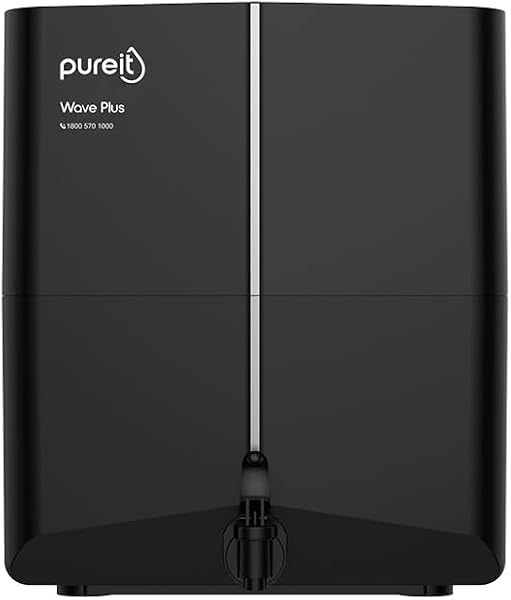
APEC Water Copper Filter: The Complete Buying Guide, Prices & Best Picks for Indian Homes

About Rahul Verma: Rahul is a tech enthusiast and gadget reviewer with over 8 years of experience testing consumer electronics. He specializes in audio gear, smartwatches, and mobile accessories. When he is not testing products, you will find him exploring the latest in AI and smart home technology.
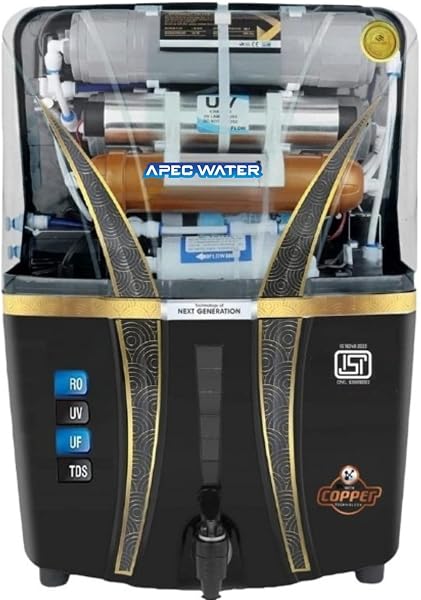
If you have been searching for an apec water copper filter, chances are you already know two things: you want the mineral-rich taste of tamra jal that your grandmother swore by, and you refuse to compromise on proper purification. That combination is exactly why copper-infused filtration has exploded in India over the last four years — copper bottles, copper dispensers, copper-coated RO cartridges, and now imported APEC systems paired with copper media.
But here is the honest part most articles skip: APEC Water Systems is a US-based manufacturer of reverse osmosis systems, and it does not sell a standalone copper cartridge in its official catalogue. So what exactly is an apec water copper filter in the Indian market? It is usually one of three things — an APEC RO purifier paired with a compatible copper remineralisation cartridge, an APEC system sold by a third-party import seller with a bundled copper filter, or a copper-infusion purifier from an Indian brand that people compare against APEC. This guide breaks down all three, with real prices in ₹, compatibility notes, and a clear verdict on whether the APEC route makes sense for your home.
Understanding the APEC Water Copper Filter
Who is APEC Water Systems?
APEC (Aquatic Products and Environmental Corporation) is a California-based water treatment company that has been manufacturing residential RO systems since 1993. In the US, its ROES-50 and RO-90 models are among the highest-selling reverse osmosis units on Amazon, largely because of their standardised 10-inch cartridge housings, NSF-certified components, and lifetime technical support. Unlike the sealed, proprietary cartridge design used by most Indian purifier brands, an APEC system uses generic screw-in filter housings — which is precisely what makes adding copper media to an APEC unit technically possible.
What does a copper filter actually do?
A copper cartridge is a post-filtration stage. The media inside — typically a blend of activated carbon, alkaline minerals, and copper granules or copper-impregnated ceramic — sits after the RO membrane and remineralises the demineralised output. RO water is essentially mineral-dead (TDS can drop to 20–40 ppm), and copper media slowly releases trace copper ions into the water as it passes through. A good copper cartridge releases roughly 0.2–1.0 mg per litre of copper, which sits within the WHO guideline value of 2 mg/L for drinking water. The apec water copper filter setup therefore works as a finishing stage rather than a primary purification stage.
Why pair copper with reverse osmosis?
Copper alone cannot remove dissolved salts, fluoride, arsenic, nitrate, or heavy metals — the contaminants that matter most in Indian groundwater. If you live in Delhi (TDS 250–600), Chennai (400–900), Hyderabad (500–1,000) or parts of Rajasthan and Gujarat, a copper-only gravity filter will not make the water safe. An APEC RO plus copper post-filter gives you both: membrane-level contaminant rejection followed by mineral restoration. That is the sensible architecture, and it is the one worth paying for.
Why Copper? The Real Health Context
Copper is an essential trace mineral — the body needs roughly 900 micrograms a day for red blood cell formation, nerve function and immune response. The traditional Indian practice of storing water in a copper vessel overnight and drinking it in the morning is an Ayurvedic habit documented in texts that describe copper as ushna virya and beneficial for the liver and skin. Modern research supports copper's antibacterial properties on surfaces, though the evidence for copper-infused drinking water delivering specific therapeutic benefits is thin and largely observational.
What that means practically: a copper stage is a taste and mineral upgrade, not a medical treatment. It will not cure anything. It will make RO water taste less flat, add nutritionally meaningful trace minerals, and — if the media includes alkaline components — nudge pH slightly upward. Be wary of sellers claiming an apec water copper filter "boosts immunity" or "detoxifies the body." That is marketing, not chemistry.
Key Factors Before You Buy
1. Housing compatibility
APEC's ROES-50, RO-90 and ROES-PH75 all use standard 10-inch inline or screw-in cartridges. Copper cartridges designed for 10-inch housings (widely available on Amazon.in for ₹1,200–₹2,800) will physically fit. But check the connector type — APEC uses 1/4-inch quick-connect push fittings on many models. If you buy a cartridge with 1/8-inch threads, you will need adapters.
2. Voltage and plug type
This is the single biggest gotcha with imported APEC units. APEC sells 110V models for the North American market and 220V variants for export. If a seller offers a 110V unit in India without a step-down transformer, the booster pump will fail within months. Confirm 220V explicitly in writing before paying.
3. Availability of spares and service
APEC has no official service network in India. Membranes, cartridges and pumps must be self-sourced (the cartridges are generic, which helps; the pump and flow restrictor are not). If you are not comfortable doing basic plumbing swaps every 6–12 months, an Indian brand with local service will serve you better.
4. Copper release rate and water chemistry
Copper leaching increases with lower pH, higher temperature and longer contact time. Indian tap water in summer can hit 32–38°C, which accelerates leaching. This is why you should always draw copper-filtered water fresh into a glass or steel bottle rather than storing it in the purifier's tank for hours.
5. Certification and warranty
Look for WQA Gold Seal or NSF/ANSI 42 & 58 certification on the RO system, and a defined service life on the copper cartridge. APEC systems carry a one-year limited warranty on parts — but the warranty is administered from the US, which means shipping cost in a claim. Third-party sellers on Amazon.in and Flipkart sometimes offer their own 6–12 month replacement warranty on the copper cartridge itself.
Best APEC Water Copper Filter Options at Different Price Points
Option 1: APEC ROES-50 + Compatible Copper Alkaline Cartridge — ₹28,000 to ₹34,000
The ROES-50 is APEC's five-stage workhorse: sediment, two carbon blocks, a 50 GPD TFC membrane and a coconut-shell carbon post-filter. Add a copper-alkaline inline cartridge in the post-filter position and you have a complete apec water copper filter system for a family of four to five. Output is 50 gallons per day (about 190 litres), which comfortably covers drinking and cooking needs. Storage tank is 3.2 gallons. Best for: families with municipal or borewell water up to 1,000 ppm TDS who are comfortable with DIY maintenance. Watch out for: the 50 GPD membrane is slow to refill — expect 2–3 hours for a full tank.
Option 2: APEC ROES-PH75 with Copper Inline — ₹32,000 to ₹38,000
The PH75 adds a sixth stage — a calcium and magnesium remineralisation cartridge that raises pH to roughly 7.5–8.5. Stack a copper cartridge after it and the sequence becomes RO → alkaline → copper, which is the ideal order (copper media performs better in slightly alkaline water and lasts longer). This is our recommendation for anyone on rainwater harvesting supply or low-TDS sources like Mumbai's municipal water (120–350 ppm), where RO alone leaves the water tasting thin. Best for: low-TDS input water, health-conscious buyers, small families of 3–4.
Option 3: APEC RO-90 + Copper Cartridge — ₹38,000 to ₹45,000
The RO-90 is the high-capacity variant: 90 GPD, a larger 4.2-gallon tank, and a heavier-duty booster pump. If your household has six or more members, or you run a small office or clinic, this is the sensible apec water copper filter build. It also handles higher feed TDS more gracefully than the ROES-50. Best for: joint families, clinics, small cafés. Downside: at this price, a premium Indian copper purifier with local service is a legitimate alternative — see Option 5.
Option 4: Standalone 10-Inch Copper + Alkaline Cartridge (Add-On) — ₹1,200 to ₹2,800
If you already own an APEC system, or any RO purifier with a standard inline post-filter, this is the cheapest route to the same water. Brands selling compatible 10-inch copper cartridges on Amazon.in typically rate them for 6,000–10,000 litres or 6–12 months. Installation is a fifteen-minute job with two push-fit connectors. Best value upgrade in this entire list — genuinely worth trying before spending ₹30,000 on a new unit.
Option 5: Indian Copper RO Purifiers — ₹9,000 to ₹22,000
If the APEC import route feels risky, the domestic market has caught up. Aquaguard's Copper range (₹15,000–₹22,000), Kent's Copper and Alkaline models (₹13,000–₹19,000), Havells Copper (₹11,000–₹16,000) and Livpure Copper+ (₹9,000–₹14,000) all offer copper-infused cartridges with a local technician network, standard 220V operation, and 1–2 year warranties. The trade-off is proprietary cartridges and higher running costs — a replacement copper cartridge can cost ₹1,500–₹2,500 versus ₹1,200 for a generic 10-inch. Best for: first-time buyers who value service over specification.
Option 6: Copper Bottle or Dispenser — ₹400 to ₹1,500
The cheapest way to get copper in your water is not a filter at all — it is a certified pure copper bottle (₹400–₹1,200) or a copper dispenser (₹1,200–₹1,500). Fill it with your existing RO output and let it stand for 6–8 hours. You control the concentration, avoid the cartridge cost entirely, and can taste the difference. This is what most Indian households actually end up doing, and it pairs perfectly with an APEC RO if you already own one.
Comparison Table: APEC Water Copper Filter Options
| Option | Approx. Price (₹) | Best For | Copper Source | Service in India |
|---|---|---|---|---|
| APEC ROES-50 + copper alkaline cartridge | ₹28,000 – ₹34,000 | Families of 4–5, TDS up to 1,000 ppm | 10" inline copper cartridge | Self-service, US warranty |
| APEC ROES-PH75 + copper inline | ₹32,000 – ₹38,000 | Low-TDS water, taste-focused buyers | Copper after alkaline stage | Self-service, US warranty |
| APEC RO-90 + copper cartridge | ₹38,000 – ₹45,000 | 6+ members, clinics, high TDS | 10" inline copper cartridge | Self-service, US warranty |
| Copper cartridge add-on (any RO) | ₹1,200 – ₹2,800 | Existing APEC or standard RO owners | Copper + alkaline media | Seller warranty 6–12 months |
| Indian copper RO (Aquaguard/Kent/Havells/Livpure) | ₹9,000 – ₹22,000 | Buyers needing local service | Proprietary copper cartridge | 1–2 years + technician network |
| Pure copper bottle / dispenser | ₹400 – ₹1,500 | Budget copper, minimal effort | Solid copper vessel | Not applicable |
Pros and Cons of the APEC Water Copper Filter Route
What works well
- Genuine filtration quality. APEC's TFC membranes and carbon blocks are NSF-certified and consistently outperform unbranded imports. The base purification is not in question.
- Standard cartridges mean cheap running costs. A full annual filter set for an APEC unit costs ₹3,500–₹5,000 — significantly less than proprietary Indian cartridges over five years.
- Modularity. You can add, remove or reorder the copper and alkaline stages as your water source changes. Try doing that with a sealed Aquaguard cartridge.
- Long service life. APEC housings and pumps routinely last 8–10 years with regular filter changes — well beyond the average Indian purifier.
What to be careful about
- No local service network. A leaked housing or a failed pump means sourcing parts yourself or paying a local RO technician to improvise.
- Voltage risk with grey-market imports. Verify 220V. Always.
- Warranty friction. US-administered warranty claims are practically uneconomical for Indian buyers.
- Slow GPD ratings. 50–90 GPD translates to 190–340 litres a day, but real-world recovery in Indian conditions is lower, especially in hard water.
- The copper cartridge is not APEC-branded. Quality varies widely between sellers. Buy from a seller with reviews and a return policy.
Buying Guide: What to Look For
Where to buy
For APEC systems in India, Amazon.in is the practical primary channel — search for the specific model number (ROES-50, ROES-PH75, RO-90) and check whether the listing is fulfilled by an Indian seller with a return window. Flipkart carries copper cartridges and Indian copper purifiers more reliably than full APEC systems. For genuine APEC units, the company's own US website ships internationally but adds customs duty and 2–4 weeks of transit — usually not worth it unless you have a contact in the US.
When to buy for the best value
If you can wait, time your purchase around Amazon Prime Day (July) or the Great Indian Festival / Big Billion Days (September–October). Copper cartridges routinely drop 25–40% during these windows — a ₹2,400 cartridge often sells at ₹1,499. Imported APEC systems see smaller discounts (5–12%), but bundled offers with extra cartridges are common. Avoid buying during December–January, when import lead times stretch and seller pricing spikes.
What to verify before paying
- Voltage: 220V, not 110V.
- Membrane rating: 50, 75 or 90 GPD — match to household size.
- Cartridge connection type: 1/4" quick-connect vs 1/8" thread.
- Copper cartridge media composition and rated life in litres, not just months.
- Seller's return window and warranty terms in writing.
- Whether a booster pump is included (essential for low-pressure Indian supply).
Real-World Usage Tips for Indian Homes
Test your input water first. A ₹150 TDS pen from Amazon will tell you more than any product listing. If your TDS is under 200, an RO is overkill — you are stripping minerals only to add them back. A copper cartridge on a UV or gravity purifier makes more sense. If it is over 1,000, budget for more frequent membrane replacement regardless of which brand you choose.
Replace the copper cartridge every 6–9 months in hard water areas. Delhi, Chennai,
Affiliate Disclosure:
This post contains affiliate links. We may earn a commission when you purchase through our links, at no extra cost to you.
Share this: