Aqua Grand RO Water Purifier RO+UV+TDS Controller, Active Copper & Alkaline: Honest Review, Price Guide and Buying Advice

About Rahul Verma: Rahul is a tech enthusiast and gadget reviewer with over 8 years of experience testing consumer electronics. He specializes in audio gear, smartwatches, and mobile accessories. When he is not testing products, you will find him exploring the latest in AI and smart home technology.

If you have landed on this page, chances are you have seen a product listing titled aqua grand ro water purifier rouvtds controlleractive copperalkalinezi somewhere on Amazon or Flipkart and wondered what exactly you are buying. That keyword is not a brand name in the traditional sense — it is an e-commerce listing title that has mashed together the model name ("Aqua Grand") with the technology stack ("RO+UV+TDS Controller", "Active Copper", "Alkaline"). The "zi" at the end is a truncated artifact of the listing, not a separate feature.
In this guide, we decode that keyword, explain what each of those technologies actually does for an Indian household, tell you what price you should reasonably pay, compare it against established alternatives from Aquaguard, Kent, Pureit and Livpure, and help you decide whether this is the right purifier for your water conditions. We also flag the one big risk buyers face with listings like the aqua grand ro water purifier rouvtds controlleractive copperalkalinezi — brand confusion — and how to protect yourself before you click "Buy Now".
Understanding the Aqua Grand RO Water Purifier with RO+UV+TDS Controller, Active Copper and Alkaline
Let us first break the product name into its components so you know exactly what you are paying for. A purifier sold under the aqua grand ro water purifier rouvtds controlleractive copperalkalinezi title typically combines five things: a reverse osmosis membrane, an ultraviolet steriliser, a TDS controller (also called a TDS adjuster or mineral enhancer valve), an active copper cartridge, and an alkaline mineral cartridge. Some units also add a UF (ultrafiltration) stage and a pre-filter.
What each purification stage actually does
- Sediment and pre-carbon filters: These trap mud, rust, sand and chlorine from your tap water. They protect the expensive RO membrane downstream and are the cheapest cartridges to replace — usually ₹250 to ₹600 each.
- RO membrane: This is the workhorse. It pushes water at high pressure through a semi-permeable membrane that rejects dissolved salts, heavy metals like lead and arsenic, hardness (calcium and magnesium), pesticides and most dissolved impurities. It is the only technology that meaningfully reduces TDS.
- UV lamp: Ultraviolet light deactivates bacteria, viruses and cysts. It is a sterilisation step, not a filtration step — it does not remove dissolved solids. In most cabinets, UV sits after RO so that the water stored in the tank stays microbiologically safe.
- TDS controller: This is a small valve that bypasses a controlled amount of raw water around the RO membrane and blends it back into the purified stream. Its purpose is to retain minerals and improve taste when your input TDS is very low (say 100–300 ppm), where pure RO water tastes flat. It is adjustable, and it is genuinely useful — but it must be set correctly for your water.
- Active copper cartridge: Copper-impregnated media releases trace copper ions into the purified water. Copper is an essential nutrient, but the quantity delivered by these cartridges is small. Treat it as a taste and marketing feature, not a medical intervention.
- Alkaline cartridge: Raises the pH of the output water (typically to around 8–9) using alkaline media or mineral addition. Again, the health claims around alkaline water are not backed by strong clinical evidence in India or abroad — it is pleasant to drink and harmless for most people, but do not buy the purifier solely for this.
A note on brand confusion — read this before you buy
The single biggest risk with the aqua grand ro water purifier rouvtds controlleractive copperalkalinezi is that shoppers confuse "Aqua Grand" with "Aquaguard", the Eureka Forbes brand that has dominated Indian water purification for over three decades. They are not the same company. Aquaguard has a nationwide service network, authorised spare parts and a well-documented warranty process. A generic online listing under a similar-sounding name may be a perfectly functional purifier — but you need to verify who is selling it, who services it in your city, and where you will buy replacement cartridges two years from now. Always check the "Sold by" field on Amazon or the seller rating on Flipkart before purchasing.
Key Factors to Consider Before Buying an RO Purifier in India
Water quality varies wildly across India, and buying the wrong purifier is an expensive mistake. Before you compare the Aqua Grand unit against anything else, work through these five checks.
1. Test your input water TDS first
Buy a basic TDS pen tester (₹200–₹450 on Amazon) or ask your building's plumber. If your water is below 200 ppm, RO is overkill and you will strip out minerals you actually need — a UV+UF purifier is cheaper to run. Between 200 and 500 ppm, RO with a TDS controller makes sense. Above 500 ppm, you need a strong RO membrane and should expect shorter membrane life. Borewell water above 1,500 ppm may need a double-pass RO or a commercial-grade unit.
2. Match storage capacity to your family
A 7–8 litre tank comfortably serves a family of three to four; five or more members should look at 9–10 litres, or a purifier with a direct-flow tap. Remember that RO purifiers refill slowly — roughly 10–12 litres per hour for domestic units — so tank size matters during peak morning hours.
3. Check the service network in your pin code
This is where established brands win. A purifier is not a one-time purchase; you will need cartridge changes, membrane cleaning and occasional pump repairs. Call the brand's toll-free number and ask which service partner covers your area before you buy. If the answer is vague, walk away, regardless of how attractive the aqua grand ro water purifier rouvtds controlleractive copperalkalinezi price looks.
4. Understand the real running cost
Budget ₹1,800–₹3,500 per year for consumables on a mid-range RO purifier (sediment and carbon filters every 6–12 months, copper and alkaline cartridges annually, membrane every 18–24 months). If a listing advertises unusually cheap cartridges, confirm they will still be in stock three years later.
5. Verify certification and warranty terms
Look for ISI marking to IS 16240 (the Indian standard for RO purifiers) and a minimum one-year comprehensive warranty. Read the exclusions carefully — most brands exclude the RO membrane from warranty, and several exclude the UV lamp and electrical parts after six months.
Detailed Breakdown: Aqua Grand RO Water Purifier Performance and Build
Filtration and output quality
A well-assembled unit with the stage configuration described above will comfortably handle municipal tap water and moderately hard borewell water. Expect output TDS to drop by 85–90% relative to input, with the TDS controller dialled back to retain some minerals. Taste should be neutral to slightly sweet, and the alkaline stage adds a soft mouthfeel that many users prefer over plain RO water.
Build quality and installation
Generic online purifiers usually use ABS plastic cabinets, wall-mount brackets and standard ¼-inch food-grade tubing. Installation is straightforward for any plumber and typically costs ₹300–₹700 if not bundled free with the purchase. Confirm whether installation is included in the listing price — many budget listings charge extra, which changes the effective cost.
Power and wastewater
Domestic RO purifiers draw 25–40 watts and run on 150–240 V, so they work on standard inverter backup during power cuts (check the pump's starting load if you have a small inverter). Wastewater rejection is typically 30–50% for single-pass RO — that is 1 to 1.5 litres rejected for every litre purified. Collect the reject water for mopping or washing; it is perfectly usable for non-drinking purposes.
Comparison Table: Aqua Grand vs Established Alternatives
| Option | Purification technology | Typical storage | Indicative price (₹) | Best suited for |
|---|---|---|---|---|
| Aqua Grand RO (RO+UV+TDS Controller+Copper+Alkaline) | RO + UV + TDS controller + copper + alkaline | 7–10 L | 5,500 – 9,500 | Budget buyers with TDS 200–1,000 ppm who can manage local service |
| Kent Grand Plus / Gold | RO + UV + UF + TDS controller | 8 L | 11,000 – 15,000 | Hard water, strong service network, large families |
| Aquaguard Aura / Marvel | RO + UV + MTDS + Active Copper | 7–8 L | 12,000 – 18,000 | Buyers who want the widest service footprint in India |
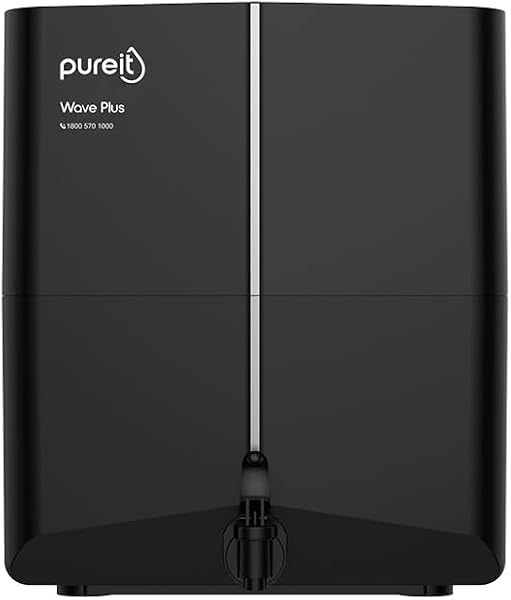
| HUL Pureit Copper+ Mineral RO | RO + UV + Copper + Mineral | 8–10 L | 13,000 – 18,500 | Families wanting copper plus reliable after-sales |
| Livpure Bolt / Glitz | RO + UV + UF + TDS controller | 7–8 L | 6,500 – 9,000 | Budget purchase from a recognised national brand |
| Havells Alkaline / AO Smith Z-series | RO + UV + Alkaline + Mineraliser | 8–10 L | 18,000 – 28,000 | Premium buyers wanting alkaline water with full service backup |
Prices are indicative street prices and move constantly with Amazon and Flipkart offers, bank cashback and festive discounts. Always check the live price before ordering.
Best Picks at Different Price Points
Under ₹7,000 — entry-level RO
At this price you get functional purification and not much else. Livpure's entry models and several Aqua Grand-style listings sit here. Buy only if your TDS is moderate, you have a reliable plumber, and you accept that after-sales support may be limited. This bracket is also the sweet spot for a second purifier for a small flat or a rental property.
₹7,000 – ₹12,000 — the value bracket
This is where most Indian families should shop. Kent Gold, Livpure Copper and Aquaguard's entry models offer copper or mineral technology, a genuine service network, and reasonable cartridge pricing. The aqua grand ro water purifier rouvtds controlleractive copperalkalinezi often competes here on paper — but with a national brand you are paying for the service contract, which matters far more than an extra cartridge stage.
₹12,000 – ₹20,000 — mainstream with copper and mineral
Aquaguard Aura, HUL Pureit Copper+ and Kent Grand Star rule this segment. You get better build quality, larger tanks, improved pumps, and — critically — doorstep service within 24–48 hours in most tier-1 and tier-2 cities. If your family drinks 10+ litres a day, the extra spend is justified purely on reliability.
Above ₹20,000 — alkaline and premium
Havells Alkaline, AO Smith Z-series and Aquaguard's premium copper+alkaline models live here. You are buying the alkaline stage, superior aesthetics, and long warranties. Only worth it if alkaline water is a genuine preference and your budget is not stretched.
Pros and Cons of the Aqua Grand RO Purifier
What works in its favour
- Feature-per-rupee is high: a five-stage RO + UV + TDS controller + copper + alkaline combination at ₹6,000–₹9,000 is genuinely aggressive pricing.
- TDS controller is a real benefit for low-to-moderate TDS water, keeping minerals and improving taste.
- Copper and alkaline stages are pleasant additions, even if the health claims are overstated.
- Easy to install and works on standard plumbing; spare tubing and fittings are universally available.
Where it falls short
- Brand confusion risk: many buyers assume it is Aquaguard. Verify the seller and manufacturer details on the invoice.
- Service network is unpredictable: you may be dependent on a local dealer rather than a national helpline.
- Cartridge availability for copper and alkaline stages can become a problem two to three years down the line.
- Specifications are often thinly documented: membrane brand, pump make and UV lamp life are rarely disclosed in the listing.
Buying Guide: What to Look For Before You Checkout
Whether you are buying the aqua grand ro water purifier rouvtds controlleractive copperalkalinezi or a national brand, apply the same filter to your decision.
- Read the invoice, not the listing: the manufacturer name, address and warranty terms must appear on the GST invoice. A listing without a clear manufacturer is a red flag.
- Confirm installation is included: a ₹6,500 purifier plus ₹700 installation plus ₹500 for a pre-filter is really a ₹7,700 purchase.
- Ask about membrane brand: a genuine Dow/Filmtec or Vontron membrane is a meaningful quality signal. Unbranded membranes fail faster in hard water.
- Check the return window: Amazon and Flipkart typically allow 7–10 days. Test the TDS output and taste within that window.
- Look for ISI to IS 16240 and, where stated, electrical safety certification for the pump and adapter.
- Compare the annual consumable cost across options, not just the sticker price.
Real-World Usage Tips for Indian Homes
An RO purifier is only as good as its maintenance. In most Indian cities, neglect — not equipment failure — is what kills these machines.
- Test your TDS monthly. A sudden rise in output TDS usually means a torn membrane or a saturated filter, not a pump failure.
- Change sediment and carbon filters every 6–9 months in hard-water areas, even if the purifier still "works". Clogged pre-filters force the pump to work harder and shorten its life.
- Clean the storage tank with a mild vinegar solution every three months — this is the most neglected part of RO maintenance and the most common cause of a musty taste.
- Keep the unit out of direct sunlight. Sunlight promotes algae growth in the tank and tubing.
- Use reject water for mopping and washing; do not let it drain if you can avoid it, especially in summer.
- During long absences, drain the tank and unplug the unit. Stagnant water in the tank is a bacterial risk.
- Do not judge copper or alkaline stages by feel. Their effect is subtle; taste the water for overall freshness instead.
Where and When to Buy for the Best Value
Timing matters more than most buyers realise. Water purifier prices on Amazon and Flipkart swing by 15–30% across the year.
Best online platforms
Amazon India is usually the strongest for filtering by seller reputation — check "Sold by" and prefer listings fulfilled by Amazon. Flipkart is competitive on price and often bundles free installation. For premium brands, Croma and Reliance Digital are worth visiting in person to see build quality, and they frequently match online prices during festive periods.
Best times to buy
- Amazon Great Indian Festival and Flip
Affiliate Disclosure:
This post contains affiliate links. We may earn a commission when you purchase through our links, at no extra cost to you.
Share this: