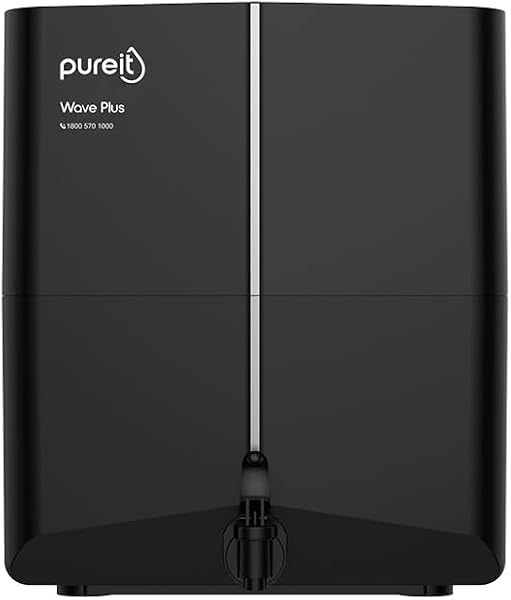
Aqua X Pure Grand Plus Smart Health Protection Series RO Water Purifier: Full Review, Price Guide and Buying Advice for Indian Homes

About Rahul Verma: Rahul is a tech enthusiast and gadget reviewer with over 8 years of experience testing consumer electronics. He specializes in audio gear, smartwatches, and mobile accessories. When he is not testing products, you will find him exploring the latest in AI and smart home technology.

If you have spent any time scrolling through Amazon or Flipkart looking for a water purifier, you already know the problem: dozens of listings, near-identical photos, and spec sheets that all seem to say RO + UV + UF + TDS. The aqua x pure grand plus smart health protection series ro water purifier sits right in the middle of that crowded shelf, and most buyers end up asking the same three questions — is it genuinely different, what should I actually pay for it, and is it the right fit for the water that comes out of my tap?
This guide answers those questions properly. We break down what the Smart Health Protection Series actually offers, compare the configurations sold online, look at real running costs over five years, and explain exactly when to buy so you don't overpay by ₹2,000–₹3,000. By the end, you should be able to decide in under ten minutes whether this purifier belongs in your kitchen — or whether a different model in the same price band suits your water quality better.
What Is the Aqua X Pure Grand Plus Smart Health Protection Series RO Water Purifier?
The aqua x pure grand plus smart health protection series ro water purifier is a wall-mounted, tank-based domestic water purifier built around reverse osmosis as its core technology, with UV and UF stages added downstream for microbiological safety and polish. In plain terms, this is a multi-stage purifier designed for Indian input water that is often high in dissolved solids, iron, hardness and seasonal bacterial load — the kind of water you get from borewells, overhead tanks and municipal supply that varies between monsoon and summer.
The "Smart Health Protection Series" branding refers to the layered defence approach the brand markets: sediment filtration to catch physical particles, a pre-carbon block to absorb chlorine and odour, the RO membrane to strip dissolved salts and heavy metals, UV to neutralise any bacteria that survive the membrane, and a UF or post-carbon polishing stage to improve taste. Many units in this family also carry a TDS controller or mineral retention cartridge, which keeps a proportion of beneficial minerals in the output instead of producing flat, tasteless water — a genuine issue with plain RO purifiers when the input TDS is on the lower side.
Who is this purifier actually built for?
Broadly, the Grand Plus family targets three kinds of households: families in metro and Tier-2 cities on municipal supply with TDS between 200 and 800 ppm; homes in newer apartment complexes where the borewell water is hard and slightly brackish; and larger families (4–6 members) who need a storage tank of 8 litres or more because water supply arrives in fixed morning and evening windows. If your input TDS is consistently below 100 ppm, a plain UV purifier is the better and cheaper choice — running RO on very low-TDS water wastes water and strips minerals you would rather keep.
Why "Smart Health Protection" Matters More Than the Marketing Suggests
Most purifier marketing leans on technology acronyms, so it is worth separating the meaningful features from the decorative ones. In the aqua x pure grand plus smart health protection series ro water purifier, four things genuinely affect day-to-day performance and running cost:
- Multi-stage RO with a TDS controller. This is the difference between water that tastes neutral and water that tastes metallic or flat. The controller lets you adjust mineral retention based on your source water.
- UV in the storage tank. Many budget purifiers run UV only in-line, which means the treated water sitting in the tank for six hours is unprotected. Tank UV (or periodic UV cycling) keeps stored water safe — important in households that draw water slowly through the day.
- Filter life indicators. A smart panel that flags when the membrane or pre-filter is due saves you from the two most common failure modes: changing filters too late (contamination risk) or too early (wasted money).
- Storage capacity matched to your supply pattern. A 7-litre tank empties fast in a family of five. This is the single most common regret buyers report after three months of ownership.
Key Factors to Consider Before You Buy
1. Your input water TDS and hardness
Buy a TDS meter (₹200–₹400 online) and test your tap water before ordering anything. Under 100 ppm: skip RO. Between 100 and 500 ppm: standard RO with a TDS controller is ideal. Above 500 ppm, or if you have visible hardness scaling on taps, prioritise purifiers with a higher-capacity membrane and a genuine hardness pretreatment stage. If your water is above 1,500–2,000 ppm, no domestic RO unit will cope well without a softener upstream.
2. Storage capacity versus family size
A useful rule of thumb for Indian households: 7 litres for 2–3 members, 8–9 litres for 4–5, and 10 litres or above for 6+. If your building supplies water for only 45 minutes a day, add one size up — recovery rate on RO is slow (roughly 10–15 litres per hour on most domestic units), so the tank, not the membrane, determines your real-world convenience.
3. Total five-year cost, not the sticker price
The purchase price is roughly half the story. Budget ₹2,500–₹4,500 per year for consumables and servicing on a purifier in this class. A model that costs ₹2,000 more upfront but uses ₹800-cheaper filter kits and has a denser service network is almost always the better financial decision.
4. Service network and spares availability
Check whether your pin code is covered before you buy — not after installation fails. For online-only brands, ask the seller for the local service partner's number and confirm response time. A purifier with a two-week spares wait in peak summer is effectively a decorative wall fixture.
Aqua X Pure Grand Plus Smart Health Protection Series: Configuration Breakdown and Pricing
The series is sold in a few configurations across Amazon, Flipkart and the brand's own store, and the model code printed on the carton tells you which one you have. The table below maps the three tiers you will most commonly encounter. Prices are indicative street prices at the time of writing and move quickly during sale events — always confirm on the live listing.
Entry tier — Grand Plus base RO (7L)
The base unit covers RO + UV + UF with a TDS controller and a 7-litre food-grade tank, typically priced between ₹7,999 and ₹9,499 depending on the seller and bank offer. It is the value pick for 2–3 member families on municipal supply with TDS in the 200–500 ppm range. What it gives up is the copper/mineral cartridge and the app connectivity — neither of which changes purification quality. If your only goal is safe, good-tasting water at the lowest running cost, this tier is the sensible buy.
Mid tier — Grand Plus with copper and mineral boost (8L)
Priced roughly ₹10,999 to ₹13,499, this variant adds a copper-infused post-treatment stage, an 8-litre tank and a slightly better filter-life indicator panel. The copper cartridge is a taste and marketing feature rather than a health necessity — do not pay a large premium for it alone — but the extra litre of storage and the improved panel are worth real money in a family of four. This is the tier most buyers should focus on.
Top tier — Grand Plus Smart (9L, app-enabled)
At ₹14,999 to ₹17,999, the smart variant adds Wi-Fi or app-based monitoring, filter-life alerts on your phone, and typically an alkaline or mineral-enrichment stage. The connected features are genuinely useful for tracking filter changes but are not essential. Buy this tier if you like the convenience of phone alerts or have someone elderly at home who cannot read a small LED panel easily.
Configuration comparison at a glance
| Feature | Grand Plus Base (7L) | Grand Plus Copper (8L) | Grand Plus Smart (9L) |
|---|---|---|---|
| Indicative price | ₹7,999–₹9,499 | ₹10,999–₹13,499 | ₹14,999–₹17,999 |
| Purification stages | Sediment + pre-carbon + RO + UV + UF | Sediment + pre-carbon + RO + UV + UF + copper | Sediment + pre-carbon + RO + UV + UF + copper + alkaline |
| Storage tank | 7 litres | 8 litres | 9 litres |
| TDS controller | Yes | Yes | Yes |
| Filter life indicator | Basic LED | Advanced LED panel | App + LED panel |
| Best suited for | 2–3 members, municipal water | 4–5 members, mixed supply | 5+ members, app users |
| Typical annual upkeep | ₹2,200–₹3,000 | ₹2,800–₹3,800 | ₹3,200–₹4,500 |
Pros and Cons of the Smart Health Protection Series
What works well
- Genuine multi-stage protection. The combination of RO, UV and UF covers chemical, biological and physical contaminants in one unit, which matters when your water quality swings with the season.
- Adjustable TDS control. You can dial in mineral retention rather than accepting whatever the membrane gives you — this noticeably improves taste.
- Competitive upfront pricing. In the ₹9,000–₹13,000 band, the mid-tier unit undercuts comparable models from the established premium brands by ₹2,000–₹4,000.
- Reasonable filter kit costs. Replacement sediment and carbon cartridges typically run ₹500–₹900, and the RO membrane ₹1,200–₹1,800 every 18–24 months.
What to watch out for
- Service network depth. This is the biggest genuine concern for online-first brands. In metros and Tier-1 cities response times are usually fine; in smaller towns, verify local partner availability before buying.
- Water wastage. Like all domestic RO units, expect 1:2 to 1:3 product-to-reject ratios. If you are on a metered connection or in a water-scarce area, consider routing reject water to plants or cleaning.
- Copper and alkaline features are incremental. They improve taste marginally; they are not a reason to pick one model over another if the storage capacity or price does not suit you.
- App features can be thin. Connected functionality on budget-to-mid purifiers is often limited to filter alerts. Do not buy the top tier purely for the app.
Buying Guide: What to Look For When You Order
Before you add the aqua x pure grand plus smart health protection series ro water purifier to your cart, run through this checklist. It takes two minutes and saves a lot of post-purchase frustration.
- Confirm the exact model code. Listings often bundle multiple SKUs under one product page. Match the code on the product title to the configuration you actually want.
- Check the warranty split. Look for the break-up between the unit, the RO membrane and the electrical components — 1 year comprehensive plus 2–3 years on the membrane is standard, but read the fine print.
- Confirm free installation in your pin code. Standard installation is usually included; plumbing charges beyond a certain pipe length are not.
- Look for the ISI and water quality certifications in the product images — a genuine listing will show them.
- Check what's in the box. Some sellers ship the wall-mounting kit separately, and pre-filter housings vary by batch.
- Verify the seller. Prefer the brand's official store or a fulfilment-backed seller over a marketplace reseller with thin ratings — this directly affects warranty claims.
Where and When to Buy for the Best Price
Timing is worth real money on this product category. Here is how Indian buyers typically get the best deal on the aqua x pure grand plus smart health protection series ro water purifier:
- Festive sales are the single biggest discount window. Amazon's Great Indian Festival (usually late September to October) and Flipkart's Big Billion Days in the same period routinely knock 20–30% off the list price, plus bank instant discounts.
- Bank card offers stack. A 10% instant discount on HDFC, SBI, ICICI, Axis or Kotak cards typically caps at ₹1,000–₹1,750 — enough to meaningfully change which tier you can afford.
- Exchange programs. Both Amazon and Flipkart run purifier exchange offers worth ₹1,000–₹2,500. Even a dead 10-year-old unit usually qualifies.
- No-cost EMI is widely available on the mid and top tiers; check the processing fee, since some sellers bury a ₹199–₹499 charge.
- Republic Day and Prime Day sales are the second-best windows if you cannot wait for the festive season.
- Avoid peak summer (April–June) if price matters more than urgency. Demand spikes and discounts shrink precisely when everyone remembers they need a purifier.
If your water quality is genuinely poor and you are buying out of necessity rather than choice, do not wait for a sale — buying at list price and getting safe water three months earlier is the better trade. If you have a working unit and are upgrading, wait for the festive window.
Practical Usage Tips for Indian Households
During installation and the first week
Flush the system for 10–15 minutes before drinking the first glass — new carbon cartridges release fine black particles. Ask the technician to show you the TDS controller setting and write down the reject-water pipe routing so you can redirect it later.
Routine maintenance that actually matters
- Clean the storage tank with a soft sponge and a mild vinegar solution every 30–45 days. This alone prevents most "my purifier smells" complaints.
- Replace sediment and carbon pre-filters every 6–9 months; in high-turbidity areas, every 4–6 months.
- Replace the RO membrane every 18–24 months, or sooner if the flow rate drops noticeably despite clean pre-filters.
- Drain and refill the tank if you have been away for more than a week.
- Keep the unit out of direct sunlight — algae growth in clear tanks is a real problem in Indian summers.
Monsoon and borewell specifics
During the monsoon, municipal and borewell water often carries higher turbidity and bacterial load. This is when the UV and UF stages earn their keep, so avoid switching them off or bypassing them. If you are on borewell water with visible iron staining, add an external iron removal filter before the purifier — no domestic RO unit handles iron well, and the membrane will clog within months.
Protect the electronics
If your area has frequent voltage fluctuations, run the purifier through a small stabiliser. The pump and SMPS board are the two components most likely to fail early, and neither is cheap to replace out of warranty.
Frequently Asked Questions
Is the Aqua X Pure Grand Plus suitable for borewell or hard water?
Yes, up to a point. It handles TDS up to roughly 1,500–2,000 ppm and moderate hardness, but if your water shows heavy scaling, high iron content or TDS above 2,000 ppm, fit a pretreatment filter or softener upstream. Buying a higher-tier purifier will not solve a source-water problem.
How much does it cost to run each year?
Budget ₹2,500–₹4,000 annually for the mid tier, covering pre-filter replacements, one membrane change every two years, and occasional servicing. An annual maintenance contract at ₹2,500–₹4,000 is worth it if you dislike chasing technicians, but simple pay-per-service usually works out cheaper for careful owners.
Does the purifier work during a power cut?
No — RO requires the pump to run. However, the water already stored in the tank remains usable, which is exactly why the 7, 8 and 9-litre capacities matter. If outages are long and frequent in your area, choose the largest tank you can accommodate.
What is the real difference between RO, UV and UF?
RO (reverse osmosis) removes dissolved salts, heavy metals and most contaminants by forcing water through a semi-permeable membrane. UV neutralises bacteria and viruses but does not remove dissolved solids. UF filters out fine particles and larger microorganisms without removing dissolved salts. You want RO for Indian input water, with UV and UF as safety and polishing stages.
Is the copper or alkaline cartridge worth paying extra for?
Marginally. It improves taste and is marketed on the Ayurvedic copper-water idea, but it does not change the safety of your water. Prioritise storage capacity, warranty and service coverage over these add-ons if you are choosing between tiers.
Should I buy online or from a local dealer?
Online is usually ₹1,500–₹3,000 cheaper and gives you bank offers and exchange value. Local dealers offer faster installation, easier warranty handling and a familiar face when something breaks. If you live in a smaller town with uncertain service coverage, the local dealer premium is often worth paying.
How long does installation take after delivery?
Typically 24–72 hours in metro and Tier-1 cities once you book a slot; 3–7 days in smaller towns. Book the installation request the
Affiliate Disclosure:
This post contains affiliate links. We may earn a commission when you purchase through our links, at no extra cost to you.
Share this: