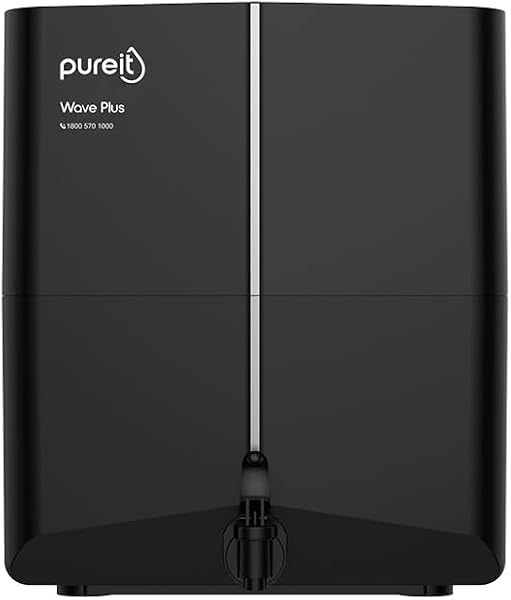
Boon Tap Under Sink Water Purifier: Complete Buying Guide, Prices and Top Picks

About Rahul Verma: Rahul is a tech enthusiast and gadget reviewer with over 8 years of experience testing consumer electronics. He specializes in audio gear, smartwatches, and mobile accessories. When he is not testing products, you will find him exploring the latest in AI and smart home technology.

If you have ever juggled a pressure cooker, a mixer grinder and a wall-mounted purifier on the same 3-foot stretch of kitchen counter, you already know why under-sink water purifiers are quietly becoming the default choice in Indian homes. A boon tap under sink water purifier takes the bulky purification unit out of sight — it sits inside the cabinet below your sink — and gives you a slim, dedicated tap mounted on the counter or sink deck. You turn the tap, you get purified water. That's the entire interaction.
Boon is one of the more accessible Indian brands in this category, and it has built a following among buyers who want RO+UV purification without paying Kent or Livpure prices. But "accessible" can also mean "confusing" — different tank sizes, different filter stacks, and listings that look almost identical but differ by ₹4,000. This guide breaks down exactly what you get at each price point, what to check before you click buy, where the genuine deals are, and what installation actually involves in an Indian kitchen.
What Is a Boon Tap Under Sink Water Purifier?
A boon tap under sink water purifier is a multi-stage water purification system designed to be installed inside the kitchen cabinet beneath your sink, with a separate dispensing tap fitted above. Unlike a conventional wall-mounted RO, which needs visible wall space and a drip tray, the under-sink format hides the entire purification assembly — pre-filter, sediment cartridge, carbon block, RO membrane, UV lamp and storage tank — out of sight.
The tap itself is the visible part. Boon's under-sink units typically come with a chrome or brushed-steel faucet that mounts either on the sink deck (the flat rim around your basin) or through a 12–13 mm hole drilled into the countertop. Some variants include a copper-enriched dispenser, which is a distinctly Indian preference — many buyers specifically want the copper-infused water that brands like Kent and Hindware have popularised.
Under the cabinet, the setup works like any RO: raw water enters, passes through sediment and carbon stages, gets pushed through the RO membrane at pressure, then through a UV chamber and (on some models) a copper or alkaline cartridge before being stored in a food-grade tank of typically 5–8 litres. A small booster pump is built in because household line pressure in most Indian apartments — especially on upper floors — is nowhere near enough to drive an RO membrane.
How it differs from a standard wall-mounted purifier
The purification technology is broadly the same. What changes is the form factor, the plumbing, and the footprint. A wall-mounted unit is plug-and-play — hang it, connect the inlet, done. An under-sink unit needs cabinet clearance (measure this before ordering, because a 40 cm tall unit will not fit under a 35 cm cabinet), a tap hole, and a drain connection routed to the sink's waste pipe.
The payoff is a cleaner counter, no drip-tray cleaning, and — importantly for Indian kitchens — no risk of the purifier being splashed with oil and masala during cooking, which is a common cause of cosmetic damage and electrical issues on wall-mounted units.
Why an Under-Sink Purifier Makes Sense for Indian Kitchens
Indian kitchens are typically compact, and counter space is at a premium. Moving 10–12 kg of purification hardware below the counter frees up a meaningful chunk of workspace. Beyond that:
- Cleaner look: You see a tap, not a machine. For modular kitchens, this matters — a wall-mounted RO breaks the visual line of a tiled backsplash.
- Better protection from heat and steam: Cabinets stay cooler than the wall space directly above a gas stove, which extends the life of electronic components and the pump.
- Larger storage in some cases: With the cabinet available, some Boon models accommodate bigger tanks than comparable wall-mounted units.
- No wall drilling: Rented flats benefit — you only need a tap hole, not two anchor bolts and a bracket.
The trade-off is real, though. Filter replacement on an under-sink unit means kneeling on the floor and pulling the unit forward. If you have limited mobility or a very shallow cabinet, a wall-mounted model is genuinely more practical.
Key Factors to Consider Before Buying
1. Your TDS and water source
This is the single most important decision. If your tap water TDS is below 200 ppm and the source is a municipal supply, an RO is arguably overkill — you lose minerals and waste water unnecessarily. A UV+UF unit would suffice. Above 500 ppm, especially with borewell water, you need RO with a good membrane, and you should budget for more frequent cartridge changes. Between 200 and 500 ppm, a standard RO+UV is the right call.
Buy a ₹200 TDS meter from Amazon before you order. It takes two minutes and can save you from buying the wrong machine. Hard water (high calcium and magnesium) also demands a pre-filter that you clean regularly, or the membrane will scale up within a year.
2. Storage tank capacity
Under-sink models from Boon generally come in 5L, 7L and 8L variants. A family of four using water for drinking and cooking typically consumes 12–15 litres a day. An 8L tank refills in about 45–60 minutes after running dry, so it handles morning rush reasonably well. A 5L tank in a family of five will run dry during peak hours.
3. Cabinet clearance and plumbing
Measure your cabinet's internal height, width and depth in centimetres and keep those numbers with you while browsing listings. Also check whether there is a usable 5A electrical socket inside or immediately adjacent to the cabinet. If not, you will need an extension routed through a hole — workable, but plan for it.
4. Tap quality and finish
The tap is the only part you touch every day, and it is also the most common failure point on budget under-sink units. Look for a brass-bodied faucet with a ceramic cartridge rather than a chromed-plastic one. Reviews mentioning "tap leaking after six months" are a red flag worth taking seriously.
5. Service network and AMC
Boon's service coverage is strongest in metro and Tier-1 cities and thinner in smaller towns. Before buying, check the pin-code serviceability on the brand's website or ask the seller directly. Ask specifically about the AMC cost for years two and three — the filter replacement cost, not the purchase price, is what determines the real cost of ownership over five years.
6. Warranty terms
Most Boon under-sink units carry a one-year comprehensive warranty, sometimes extending to two or three years on the pump or membrane. Read the exclusions — membrane damage from high TDS or from not replacing pre-filters is commonly excluded, and that is exactly the failure most buyers face.
Boon Tap Under Sink Water Purifier Options Across Price Bands
Boon's model lineup changes frequently — new SKUs appear around festive sales — so verify the exact model number on the listing. What stays consistent is the three-tier structure below. Prices are indicative for Amazon and Flipkart as of writing and fluctuate with sale events.
Budget tier: ₹7,000 – ₹11,000
At this level you get a compact under-sink RO with a 5–6 litre tank and a basic chrome tap. Purification is typically RO+UV with a sediment and carbon pre-filter stack. Build quality is functional rather than premium, and the tap is usually the lighter-duty component.
Best for: Two- to three-member households, municipal or low-TDS water (under 500 ppm), rented accommodation where you do not want to spend heavily.
Watch out for: Booster pump noise, and the absence of a copper or alkaline cartridge. Seller-installed units in this band sometimes skip the pre-filter housing entirely — confirm it is included.
Mid tier: ₹11,000 – ₹17,000
This is the sweet spot for most buyers. You get a 7–8 litre tank, RO+UV+UF, a copper cartridge in many variants, a sturdier brass tap, and a filter-change indicator. Some models include a transparent pre-filter housing so you can see when the sediment cartridge is dirty — a genuinely useful feature that saves you from guessing.
Best for: Families of four to five, borewell water up to about 1,500 ppm, buyers who want the copper-water feature without premium pricing.
Pros: Good capacity-to-price ratio, wider service coverage, better tap hardware.
Cons: Still a fairly basic installation kit; you may need to buy a tap-hole drill bit or pay the technician separately for counter drilling.
Premium tier: ₹17,000 – ₹25,000
Boon's higher-end under-sink models add features like a hot-and-normal dual tap (useful for tea and instant noodles), mineral retention or alkaline enhancement, a larger 8–10 litre tank, and stainless-steel or matte-finish taps that look the part in a modular kitchen. Some come with a one-year extended warranty or a bundled AMC.
Best for: Premium modular kitchens, large families, buyers who want a single tap that also dispenses hot water.
Watch out for: Hot-water under-sink units draw significantly more power (typically 1,500–2,000 W for the heating element) and need a dedicated socket. Do not put one on a shared extension board with a microwave.
Quick Comparison Summary
| Parameter | Budget (₹7–11k) | Mid (₹11–17k) | Premium (₹17–25k) |
|---|---|---|---|
| Tank capacity | 5–6 L | 7–8 L | 8–10 L |
| Purification | RO + UV (+ UF on some) | RO + UV + UF | RO + UV + UF + copper/alkaline |
| Tap type | Chrome-plated, standard | Brass body, ceramic cartridge | Steel/matte, optional hot-water tap |
| Copper cartridge | Usually no | Yes on most variants | Yes |
| Filter change alert | Rare | Common | Standard |
| Typical AMC (yr 2+) | ₹2,500–₹3,500 | ₹3,000–₹4,500 | ₹4,000–₹6,000 |
| Ideal household | 2–3 people | 4–5 people | 5+ people / premium kitchen |
Where and When to Buy for the Best Price
Amazon vs Flipkart vs Boon's own store
Both marketplaces carry the Boon range, and prices differ by 5–12% between them on any given day. Amazon usually has the edge on customer-review depth, which helps you spot recurring issues; Flipkart frequently undercuts on the mid tier during Big Billion Days. Boon's own website sometimes lists installation as free where the marketplaces charge ₹500–₹700 — worth checking, because that difference offsets a slightly higher sticker price.
Buy only from the brand's official seller page on either platform. Under-sink purifiers are frequently listed by third-party sellers offering "refurbished" or grey-market units with no warranty, and the failure mode — a leaking cabinet that damages your kitchen platform — is expensive.
Best times to buy in India
- Amazon Great Indian Festival (Sept–Oct): Historically the deepest discounts on water purifiers, often 25–35% off MRP plus bank offers.
- Flipkart Big Billion Days (Sept–Oct): Runs parallel; compare both before committing.
- Republic Day and Prime Day sales (Jan, July): Modest discounts, but often bundled with free installation.
- Month-end: Bank card offers (HDFC, ICICI, SBI) rotate monthly and can add ₹1,000–₹1,500 of value on top of the sale price.
If you need a purifier immediately, do not wait four months for a sale — filter health matters more than ₹1,500. Buy the mid-tier model at the best available price and use a bank offer.
What Installation Actually Involves
Most Boon under-sink units include free standard installation when bought from an authorised seller. Here is what happens on the day, so you can prepare:
- Tap hole: The technician drills a 12–13 mm hole in your countertop or sink deck. Standard installation does not cover granite or quartz drilling in many cases — confirm this before booking, because a granite hole may cost ₹500–₹1,000 extra.
- Inlet connection: A diverter valve is fitted to your existing tap line. This is quick and non-destructive.
- Drain routing: The reject-water line is routed into the sink's waste pipe. Ask the technician to route it into a bucket instead if you want to reuse the reject water for cleaning — a common and sensible practice in water-scarce cities.
- Flushing: New cartridges need 10–15 minutes of flushing before the water is drinkable. Do not skip this; the first few litres will be cloudy.
Budget 60–90 minutes for the visit. Keep the cabinet emptied before the technician arrives.
Real-World Usage Tips for Indian Homes
Manage the pre-filter, and everything else follows
The transparent pre-filter cartridge is the cheapest component and the one that protects everything else. In Indian conditions — especially with borewell or tanker water — clean or replace it every two to three months. A clogged pre-filter forces the booster pump to work harder, shortening its life and reducing RO output. This single habit can extend membrane life from 18 months to three years.
Match membrane replacement to your TDS, not the calendar
Manufacturers suggest 12–18 months, but a home at 300 ppm TDS will get two years easily, while one at 1,800 ppm may need a new membrane in 10 months. Buy a TDS meter and test the output monthly. If output TDS climbs above 10–15% of input TDS, the membrane is degrading.
Reuse the reject water
An RO rejects roughly 2–3 litres for every litre purified. In a flat where water is metered, that adds up. Route the reject line into a 20-litre bucket and use it for mopping, watering plants or flushing. Over a year, a family of four can save several thousand litres.
Watch for monsoon and tank-cleaning spikes
Municipal supply in most Indian cities turns noticeably more turbid during the monsoon and right after overhead tank cleaning. Flush the tank, run the purifier for a few minutes before drinking, and change the sediment filter afterwards if the water was visibly muddy.
Do not skip the post-monsoon service
Book the annual service in October or November. Technicians are less overloaded than during the summer rush, and you catch monsoon-related cartridge degradation before it affects taste.
Running Costs: The Number Most Buyers Ignore
A ₹13,000 under-sink purifier costs roughly ₹3,000–₹4,000 a year in consumables — sediment and carbon pre-filters (₹600–₹1,000), an annual service visit (₹500–₹800), and an amortised membrane replacement. Add electricity: a booster pump plus UV lamp running a few hours a day adds perhaps ₹40–₹70 a month to your bill.
Over five years, total cost of ownership lands around ₹30,000–₹35,000 for a mid-tier model. That is the honest comparison number when you are weighing Boon against a Kent or Aquaguard at a ₹6,000 premium — the gap narrows considerably once servicing is factored in, so check AMC pricing before you decide.
Common Mistakes to Avoid
- Ordering without measuring the cabinet. The most common return reason for under-sink units. Measure height, width and depth — including the space taken by the inlet pipe.
- Assuming installation covers granite drilling. Confirm in writing before the technician arrives.
- Buying a hot-water model without checking the socket. A 1,800 W heating element on a 6A circuit will trip your MCB.
- Ignoring serviceability. If no Boon technician covers your pin code, a cheap purifier becomes an expensive paperweight.
- Not asking about the tap warranty separately. Many warranties cover the unit but exclude the faucet after 90 days.
Frequently Asked Questions
Is a Boon tap under sink water purifier suitable for borewell water?
Yes, provided you choose a model rated for your TDS level. Boon's RO models handle input TDS up to roughly 1,500–2,000 ppm, but above 1,000 ppm the membrane and pre-filters need replacing far more frequently. If your borewell water exceeds 2,000 ppm or has high hardness, invest in a softener or an inline hardness-reduction cartridge before the purifier, or the membrane will fail within a year.
Can it be installed under a granite countertop?
Yes, but the tap hole requires diamond-core drilling, which standard free installation usually does not cover. Expect to pay ₹500–₹1,000 to a local fabricator or the technician. Get the counter drilling done before the installation visit so the technician can complete the plumbing in one trip.
Does the boon tap under sink water purifier need a separate electrical point?
It needs a 5A socket inside or next to the cabinet. If your kitchen lacks one, an extension board routed through a small hole is acceptable, but use a proper 3-pin earthed connection and keep the plug off the cabinet floor, where leakage from a spill can reach it.
How often do filters need replacement?
Sediment and carbon pre-filters: every 3–6 months depending on turbidity. UV lamp: annually. RO membrane: 12–24 months based on input TDS. Copper cartridges: 12 months. Set a phone reminder — most buyers forget, and the first symptom is a change in taste that is easy to dismiss.
What is the difference between Boon's under-sink and wall-mounted models?
Purification technology is essentially the same. The under-sink version hides the unit and dispenses through a slim tap, saving counter and wall space. The wall-mounted version is easier to service, does not require a tap hole, and is generally cheaper for the same filter configuration. Choose based on space and aesthetics, not on water quality.
Is it worth buying during a sale, or should I wait?
If you are replacing a purifier that has stopped working or is producing poor-tasting water, buy now — do not compromise on drinking water quality to save ₹1,500. If your current purifier is functional and you are upgrading for aesthetics, waiting for the September–October festive sales typically saves 20–30% on the mid and premium tiers.
Does it come with free installation?
Most authorised sellers on Amazon and Flipkart include standard installation, but the definition of "standard" varies — it usually covers plumbing connection and tap fitting on an existing hole, not drilling. Confirm with the seller via chat
Affiliate Disclosure:
This post contains affiliate links. We may earn a commission when you purchase through our links, at no extra cost to you.
Share this: