Hindware Chimney 60 cm: The Complete Buying Guide for Indian Kitchens

About Rahul Verma: Rahul is a tech enthusiast and gadget reviewer with over 8 years of experience testing consumer electronics. He specializes in audio gear, smartwatches, and mobile accessories. When he is not testing products, you will find him exploring the latest in AI and smart home technology.
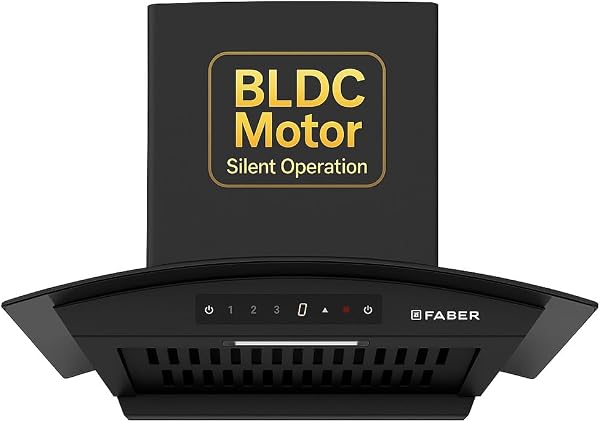
If you have ever finished a batch of tadka and then spent the next hour wiping a film of oil off your kitchen cabinets, you already know why a chimney matters in an Indian home. Cooking here is not gentle — high-flame sautéing, deep frying, mustard oil tempering and slow-cooked gravies all produce a lot of smoke and greasy vapour. A 60 cm chimney is the sweet spot for most Indian kitchens, and Hindware has quietly built one of the widest, most sensibly priced ranges in this segment.
This guide is written for someone who is ready to buy, not just browse. You will find a clear explanation of what a hindware chimney 60 cm actually delivers, how to match suction and filter type to your cooking style, honest recommendations at three price points, current indicative pricing, and practical advice on exactly when and where to buy so you do not overpay. We have also included a comparison table, pros and cons, and answers to the questions buyers ask most often.
Understanding the Hindware Chimney 60 cm Segment
A hindware chimney 60 cm is a kitchen chimney with a width of 60 centimetres — the horizontal span that sits above your hob. This width is designed to match two- and three-burner gas stoves, whose cooktops typically measure between 55 cm and 65 cm. The logic is simple: the chimney's capture area should be at least as wide as the cooking surface, so smoke rising from the outermost burner is drawn in rather than spilling sideways into the kitchen.
Hindware (part of Hindware Home Innovation Ltd, formerly Somany Home Innovation) sells 60 cm chimneys in three broad formats. Wall-mounted curved glass models are the most popular — they look modern, offer a large canopy and are easy to clean. Straight glass or T-shaped models suit modular kitchens with clean, linear cabinetry. Auto-clean variants are Hindware's signature category, using a thermal process to burn off accumulated oil inside the motor housing, which reduces how often you need to call a technician. Most 60 cm models in the line-up are filterless or use baffle filters, both of which handle Indian cooking better than fine mesh.
Where Hindware tends to score over several competitors is the balance of price and service reach. Their models frequently undercut comparable offerings from Elica, Faber and Bosch by ₹2,000–₹4,000 while offering similar suction figures, and the brand's service network covers most Tier-1 and Tier-2 cities reasonably well. If you are upgrading from a basic chimney or buying your first one, a hindware chimney 60 cm is one of the more sensible starting points.
Key Factors to Consider Before Buying a Hindware Chimney 60 cm
1. Suction Capacity (m³/h)
This is the single most important number. Suction is measured in cubic metres per hour — how much air the chimney moves. For light cooking (boiling, steaming, occasional frying), 1,000–1,100 m³/h is adequate. For a typical Indian household cooking three meals a day with regular tempering and frying, aim for 1,200–1,350 m³/h. If you deep fry frequently or have an open kitchen that opens into the living room, go for 1,350 m³/h or higher. A hindware chimney 60 cm with 1,200 m³/h or more is the practical minimum for most buyers.
2. Filter Type
Mesh filters are the cheapest and easiest to find, but their fine aluminium mesh traps grease quickly and needs weekly cleaning in an Indian kitchen. Baffle filters (also called oil impactor filters) use angled stainless steel plates that separate grease by centrifugal action — they are dishwasher-friendly and rarely clog. Filterless or auto-clean designs push the grease into a collection cup and burn off residue. For heavy Indian cooking, baffle or filterless is the better long-term choice.
3. Auto-Clean vs Manual Clean
Hindware's auto-clean feature uses a heating element to carbonise oil deposits inside the motor chamber. You press a button, the chimney heats up for 10–15 minutes, and the residue drips into a tray. It genuinely reduces maintenance, but it is not a substitute for cleaning the outer canopy and oil cup. Note whether the auto-clean function is covered under warranty — some brands exclude it.
4. Noise Level
Higher suction usually means more noise. Most 60 cm chimneys run at 55–65 dB on maximum. If your kitchen is close to living areas or you cook early in the morning, look for models rated below 60 dB and check whether they have a "silent" or low-speed mode. Hindware's higher-end models tend to be quieter on low speed, which is what you will use most of the time.
5. Ducting and Installation
Ducted (chimney-style) installation expels smoke outside and is always more effective than recirculation mode. If you can route a 6-inch duct to a wall or window, do it — even a short 1.5 m run makes a noticeable difference. Recirculation mode, where air passes through a carbon filter and returns to the kitchen, is a fallback for apartments where ducting is not permitted. Budget ₹500–₹1,500 for extra ducting, clamps and a wall cut-out if your installation is non-standard.
6. Warranty and Service
Most Hindware chimneys come with a 1-year comprehensive warranty plus extended motor coverage (typically 5 years, sometimes more on premium models). Confirm the exact terms for your pin code before ordering — service quality varies by city, and it is worth checking local reviews or asking your building's WhatsApp group which brand's technician actually turns up on time.
Top Hindware Chimney 60 cm Recommendations at Different Budgets
Prices below are indicative as of early 2025 and change frequently with offers. Always verify current specifications, price and warranty on the product listing before purchasing.
Budget Pick: Hindware 60 cm Auto-Clean Curved Glass Chimney (₹9,000–₹12,000)
At the entry level, Hindware's 60 cm curved-glass auto-clean models deliver around 1,200 m³/h suction with touch controls and a motion sensor on some variants. This is the right choice if your cooking is moderate — two to three meals a day, occasional frying, no commercial-scale cooking. The curved glass canopy looks better than its price suggests, and the auto-clean function keeps servicing costs down.
What you get: around 1,200 m³/h suction, thermal auto-clean, touch panel, LED lamps, 1-year comprehensive warranty. What you compromise: plastic or thin-metal body panels on some variants, slightly louder operation at full speed, and basic baffle/mesh filtration rather than premium filterless design.
Mid-Range Sweet Spot: Hindware 60 cm Filterless Auto-Clean Chimney (₹12,000–₹16,000)
This is where most buyers should land. Moving up ₹3,000–₹4,000 gets you 1,300–1,350 m³/h suction, a sturdier build, a proper baffle or filterless system, better oil collection, and usually a quieter motor. For a family that cooks fish, deep-fried snacks and heavy masalas regularly, the extra suction is not a luxury — it is the difference between a clean kitchen and a greasy one. Models in this band often include a motion sensor for hands-free operation, which sounds gimmicky until you are holding a wet spoon.
What you get: 1,300–1,350 m³/h, filterless or baffle filtration, thermal auto-clean, motion-sensor controls, metallic finish options, better warranty terms. What you compromise: nothing significant — this is the value sweet spot of the hindware chimney 60 cm range.
Premium Pick: Hindware 60 cm High-Suction Designer Chimney (₹16,000–₹22,000)
At the top of the 60 cm line-up, you get 1,350–1,400+ m³/h suction, tempered or tinted glass, brushed steel finishes, near-silent low-speed operation and more sophisticated control panels. These suit open kitchens where the chimney is visible from the living room and where appearance matters as much as performance. If your kitchen opens directly into a dining area and you host often, this band is worth the stretch — the reduced noise and stronger capture make a real difference in daily use.
What you get: maximum suction in the 60 cm size, premium materials, quieter operation, advanced controls. What you compromise: price, and a larger upfront installation cost if you need new ducting.
Compact Kitchens: Hindware 60 cm Straight Glass / T-Shape Models
If you have a narrow galley kitchen or a modular setup with overhead cabinets close to the hob, straight-glass and T-shaped 60 cm models fit more neatly than curved glass. They offer similar suction but occupy less visual and physical space. Check the depth of the model against your cabinet clearance before ordering — this is the most common installation surprise with straight-glass designs.
Comparison Table: Hindware Chimney 60 cm Options
| Model Band | Suction | Filter Type | Auto-Clean | Controls | Approx. Price | Best For |
|---|---|---|---|---|---|---|
| Budget Curved Glass 60 cm | ~1,200 m³/h | Baffle / Mesh | Yes | Touch | ₹9,000–₹12,000 | Small families, light-to-moderate cooking |
| Mid-Range Filterless 60 cm | ~1,300–1,350 m³/h | Filterless / Baffle | Yes | Touch + Motion Sensor | ₹12,000–₹16,000 | Daily Indian cooking, 3-burner hobs |
| Premium Designer 60 cm | ~1,350–1,400+ m³/h | Filterless | Yes | Touch / Remote | ₹16,000–₹22,000 | Open kitchens, heavy frying, aesthetics |
| Straight Glass / T-Shape 60 cm | ~1,200–1,300 m³/h | Baffle | Varies | Touch | ₹11,000–₹15,000 | Compact and modular kitchens |
Pros and Cons of Top Recommendations
Mid-Range Filterless Auto-Clean (Our Top Pick)
Pros: Strong 1,300+ m³/h suction handles tadka and frying without smoke drifting into the room. Filterless design means no weekly mesh scrubbing. Auto-clean cuts down annual servicing costs. Motion sensor is genuinely useful when your hands are messy. Good value against comparable Faber and Elica models.
Cons: Full-speed operation is audible. Installation quality depends heavily on the local service partner — insist on a ducted setup if possible. The auto-clean cycle still requires you to empty the oil tray regularly.
Budget Curved Glass Auto-Clean
Pros: Lowest entry point into a branded 60 cm chimney with auto-clean. Looks premium for the price. Adequate for 2–3 burner hobs with moderate cooking. Easy on the wallet if you are renovating on a budget.
Cons: Build quality feels lighter than mid-range models. Mesh filters on some variants need frequent cleaning. At 1,200 m³/h it may struggle with continuous deep frying in an open kitchen.
Premium Designer Model
Pros: Best-in-class suction within the 60 cm size. Noticeably quieter on low and medium speeds. Superior materials that resist yellowing and grease stains over years. Better resale perception in a modular kitchen.
Cons: The price premium is steep relative to performance gains. Some features (remote control, app connectivity on select models) are rarely used. You are paying partly for looks.
Where to Buy a Hindware Chimney 60 cm in India
Amazon India is usually the best starting point for selection and price transparency. You get the full Hindware 60 cm range, detailed spec sheets, verified buyer photos of installed units, and clear information on installation charges. Amazon's 10-day replacement window is useful if the unit arrives damaged — a real risk with glass-canopy products. Bank offers (typically 10% instant discount on HDFC, ICICI and SBI cards) are common, and no-cost EMI is available on most models above ₹8,000.
Flipkart carries a similar range and often runs marginally better bank offers during Big Billion Days. Flipkart's Protect Promise and installation coordination are reliable in metro cities. Compare the final payable price after bank offers on both platforms — the difference can be ₹700–₹1,500 on the same model.
Hindware's official website occasionally bundles extended warranty or free ducting kits that marketplaces do not offer. Worth a quick check before you buy, especially if you want the brand's own installation team rather than a marketplace-assigned partner.
Offline stores — Croma, Reliance Digital, and authorised Hindware dealers — let you see the finish and build quality in person, which matters for glass and steel products. You can also negotiate, and installation is often faster. The trade-off is a smaller discount and less transparent pricing. If you buy offline, ask specifically whether the quoted price includes ducting and installation, since many dealers quote a base price and add these later.
When to Buy for the Best Deal
Chimney pricing in India follows a fairly predictable cycle. The deepest discounts appear during Amazon's Great Indian Festival and Flipkart's Big Billion Days, usually in late September to October. Discounts of 35–50% off MRP are normal, and bank offers stack on top. If you can wait, this is when a mid-range hindware chimney 60 cm that lists at ₹19,999 often sells for ₹13,000–₹14,500.
The Republic Day and New Year sales in January are the second-best window, with strong exchange offers — marketplaces frequently accept old chimneys for ₹1,000–₹2,500 off. Amazon Prime Day in July and the Independence Day sales in August offer moderate discounts, useful if you need a chimney before the festive season rather than during it. Avoid buying in the two weeks immediately before a major sale; prices are often artificially held high.
One practical tip: check price-history tools or simply add the product to your cart and watch it for a week. Chimney prices on marketplaces fluctuate by ₹1,000–₹2,000 within days, and there is no reason to pay the peak.
Real-World Usage Tips for Indian Consumers
Affiliate Disclosure:
This post contains affiliate links. We may earn a commission when you purchase through our links, at no extra cost to you.
Share this: