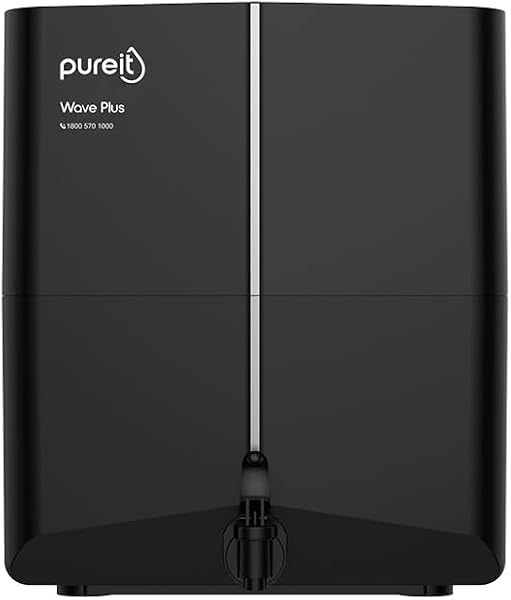
The Proven Pixer Water Purifier RO UV UF with Copper Zinc Alkaline Tech: A Complete Buying Guide for Indian Homes

About Rahul Verma: Rahul is a tech enthusiast and gadget reviewer with over 8 years of experience testing consumer electronics. He specializes in audio gear, smartwatches, and mobile accessories. When he is not testing products, you will find him exploring the latest in AI and smart home technology.
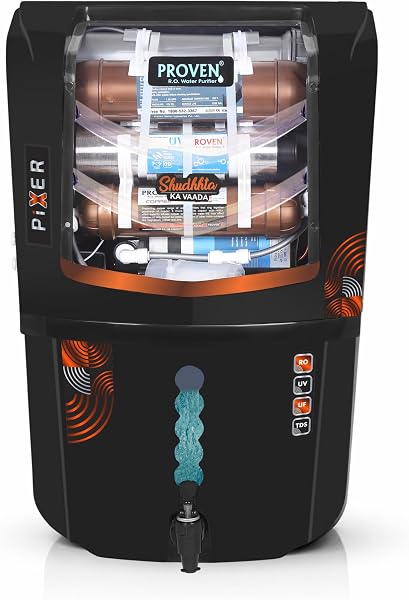
If you have spent any time scrolling Amazon or Flipkart looking for a water purifier that does everything — RO, UV, UF, plus the newer copper, zinc, and alkaline treatment — you have probably run into the proven Pixer water purifier RO UV UF with copper zinc alkaline tech. It sits in that tempting sweet spot: multi-stage purification, mineral enhancement, and a price tag that is a fraction of what the big legacy brands charge for similar feature lists.
But a long feature list on a product page tells you very little about whether the unit will actually work in your kitchen, with your water supply, for the next five years. Municipal water in Mumbai behaves nothing like borewell water in Hyderabad or groundwater in Jaipur. That is exactly what this guide unpacks.
In the sections below, you will find a plain-English breakdown of what each purification stage actually does, how the copper-zinc-alkaline cartridge really works (and where the marketing gets ahead of the science), specific Pixer configuration recommendations at three price points, a comparison table, honest pros and cons, and a buying guide that covers input TDS, cartridge costs, installation, and the best times to buy on Amazon and Flipkart.
Understanding the Proven Pixer Water Purifier RO UV UF with Copper Zinc Alkaline Tech
Before we get into which variant to buy, it helps to understand exactly what you are paying for. "RO + UV + UF + copper zinc alkaline" is not one technology — it is a stack of six or seven different treatment stages bundled into one wall-mounted box. Each stage has a distinct job, and each has a cost implication when it comes time to replace filters.
What each stage does
- Sediment filter (pre-filter): Traps sand, silt, rust particles, and suspended matter. This is the cheapest cartridge and the one that protects everything downstream. On the proven Pixer water purifier RO UV UF with copper zinc alkaline tech, this is usually a 5-micron spun or PP filter that needs changing every 6–9 months in most Indian homes.
- Carbon block / pre-carbon: Removes chlorine, bad odour, colour, and organic compounds. Chlorine is a membrane killer, so this stage protects the RO membrane as much as it improves taste.
- RO membrane: The workhorse. It pushes water through a semi-permeable membrane at pressure, rejecting dissolved salts, heavy metals, fluoride, nitrate, and arsenic. RO is what makes borewell and hard water drinkable, but it also strips out beneficial minerals — which is precisely why the mineral cartridge exists.
- UV lamp: Ultraviolet sterilisation deactivates bacteria, viruses, and cysts. Critically, UV does nothing for dissolved salts — it is a microbiological safety net, not a purifier of chemical contamination.
- UF membrane: Ultrafiltration physically strains out particles down to about 0.01 micron, catching bacteria and colloids. In most RO systems UF is a polishing stage, but it also lets the unit deliver water without running the RO pump on low-TDS input — a genuinely useful feature.
- Copper-zinc cartridge: This is the "mineral" stage. Water passes over a copper-zinc media, releasing traces of copper and zinc into the output. Copper is an essential micronutrient and zinc supports immunity; the amounts delivered are small and intended as a supplement, not a treatment.
- Alkaline cartridge: Raises the pH of the purified water slightly (typically into the 8.0–9.0 range) using mineral media, and adds back some calcium and magnesium. The result is water that tastes smoother and less "flat" than plain RO output.
A quick reality check on the mineral claims
Be clear-eyed here: copper, zinc, and alkaline water are supplements, not medicine. No water purifier can compensate for a poor diet, and alkaline water has not been shown in credible clinical literature to change blood pH — your kidneys handle that. What these cartridges genuinely do is improve taste, restore some of the minerals RO strips out, and deliver small daily amounts of copper and zinc. That is a legitimate benefit. Just do not buy the proven Pixer water purifier RO UV UF with copper zinc alkaline tech expecting it to cure acidity or replace a doctor's advice.
Where the cartridge earns its keep is taste. Plain RO water can taste lifeless, and many families end up buying bottled water for drinking while using RO water only for cooking. A functioning alkaline-mineral stage usually fixes that, and the cartridge itself typically costs ₹700–₹1,200 to replace once a year.
Why Pixer Deserves a Look in 2025
Pixer is an Indian brand that has built its following almost entirely on online marketplaces rather than retail showrooms. That direct-to-consumer model is why an 8–10 litre RO+UV+UF unit with a copper-zinc-alkaline cartridge can be priced at ₹6,000–₹9,000 when comparable configurations from established brands run ₹14,000–₹20,000.
What you are effectively trading away is showroom presence and the deepest service network. What you gain is a feature-dense unit at a value price, with installation usually included and filter cartridges available on Amazon and Flipkart with next-day delivery in metro cities. For buyers in Tier-1 and Tier-2 cities who are comfortable ordering spares online, that trade is often worth it. For buyers in remote areas where the only service option is a local technician, it is worth checking whether a nearby service partner exists before you order.
Recommended Pixer Configurations at Three Price Points
Prices on Amazon and Flipkart move constantly with bank offers and festive sales, so treat the figures below as indicative ranges rather than fixed MRPs. Always check the live listing before you buy.
1. Budget pick: Pixer 7–8L RO + UV + UF + TDS Controller (approx. ₹4,499–₹6,999)
This is the entry configuration — the proven Pixer water purifier RO UV UF with copper zinc alkaline tech formula minus the mineral cartridge, or with a basic version of it depending on the SKU. It gives you a 7–8 litre storage tank, a TDS controller to retain some minerals, and standard wall-mount installation.
Who it suits: Small families of 2–3 in apartments with municipal or tanker water where TDS is under roughly 800 ppm. If your input TDS is low and stable, paying extra for a premium mineral stage is optional.
Watch out for: Entry SKUs sometimes ship without a copper or alkaline cartridge at all — the product title says "copper zinc alkaline tech" but the variant selector has a cheaper non-mineral option. Read the variant description carefully before adding to cart.
2. Sweet spot: Pixer 8–10L RO + UV + UF with Copper Zinc Alkaline Cartridge (approx. ₹7,499–₹10,999)
This is the configuration most readers should be looking at, and the one that matches the full proven Pixer water purifier RO UV UF with copper zinc alkaline tech feature set. You get the complete purification stack plus the mineral cartridge, a 10-litre food-grade tank, a transparent or semi-transparent tank window so you can see the water level, and typically a filter-change indicator.
Who it suits: Families of 3–5, borewell or mixed water supply with TDS between 500 and 1,500 ppm, and anyone who has switched away from bottled water and wants the output to actually taste good.
Why this tier: The jump from the budget SKU buys you the mineral cartridge, a larger tank (which matters more than people expect — a 10L tank means you are not waiting for a refill during peak morning hours), and usually better build quality on the tap and tank lid.
3. Premium pick: Pixer 12L RO + UV + UF + Copper Zinc Alkaline with Smart Indicators (approx. ₹11,999–₹15,499)
At the top of the Pixer range you get a larger 12-litre tank, digital or LED indicators for filter life and purity, sometimes a hot-and-normal or a high-flow variant, and a more robust pump rated for higher TDS input.
Who it suits: Joint families of 5+, households with TDS above 1,500 ppm, or anyone who wants the convenience of not tracking filter dates manually.
Is it worth it? If your household consumes 15+ litres of drinking water a day, yes — the bigger tank and higher-flow pump genuinely reduce daily friction. If you live alone or as a couple, the mid-tier unit is the better use of money.
Comparison at a Glance
| Configuration | Purification Stages | Storage | Copper-Zinc Alkaline | Best Input TDS | Approx. Price | Ideal For |
|---|---|---|---|---|---|---|
| Pixer 7–8L RO+UV+UF+TDS | Sediment, Carbon, RO, UV, UF, TDS Controller | 7–8 L | Basic / optional | Up to ~800 ppm | ₹4,499–₹6,999 | Couples, small flats, low-TDS municipal water |
| Pixer 8–10L RO+UV+UF + Copper Zinc Alkaline | Sediment, Carbon, RO, UV, UF, Copper-Zinc, Alkaline | 8–10 L | Yes, full cartridge | 500–1,500 ppm | ₹7,499–₹10,999 | Families of 3–5, borewell/tanker mix |
| Pixer 12L with Smart Indicators | Full stack + digital filter-life alerts | 12 L | Yes, full cartridge | Up to ~2,000 ppm | ₹11,999–₹15,499 | Joint families, high-TDS areas, heavy daily use |
Note: Capacities and stage counts vary by SKU and seller. Confirm the exact stage list on the product page before ordering — some listings use "copper alkaline" and "copper zinc alkaline" interchangeably.
Pros and Cons of the Top Picks
Pixer 8–10L RO + UV + UF with Copper Zinc Alkaline — Pros
- Genuinely complete purification stack at a price where most brands give you RO+UV only
- The mineral cartridge makes a noticeable difference to taste — this is the single most underrated feature
- 10L tank covers a family of four through a morning without a refill queue
- Cartridges are stocked on Amazon and Flipkart, so you are not dependent on a single dealer
- Installation is typically included in the price for metro and Tier-2 pincodes
Pixer 8–10L RO + UV + UF with Copper Zinc Alkaline — Cons
- Service network is thinner than the legacy brands outside major cities
- RO water rejection ratio is roughly 1:1 to 1:1.5, so plan for higher water bills if you pay per kilolitre
- Alkaline cartridge life (9–12 months) is shorter than the RO membrane's, so budget for it annually
- No showroom to physically inspect the unit before purchase
Pixer 12L Smart Indicator Model — Pros
- Handles TDS up to around 2,000 ppm without straining the pump
- Filter-life indicators remove the guesswork from cartridge replacement
- Largest tank in the range suits 5+ member households
- Better pump build quality than the budget tier
Pixer 12L Smart Indicator Model — Cons
- Premium price puts it within striking distance of established brands on sale
- Overkill for 2–3 member households
- Digital indicators add a small electronic failure point over the mechanical models
What to Check Before You Buy
1. Test your input water TDS first
This single number determines whether you need RO at all. Buy a ₹150 TDS pen on Amazon or ask your building maintenance for a water test report. Under 200 ppm, RO is largely unnecessary and actually removes minerals you would rather keep — a UF+UV unit would serve you better. Between 200 and 500 ppm, RO is useful but a TDS controller matters. Above 500 ppm, RO is essential, and above 1,500 ppm you need to check the pump's rated input TDS before buying.
2. Confirm the exact stage list on the SKU you select
Variant dropdowns are where most buyers get tripped up. Product listings for the proven Pixer water purifier RO UV UF with copper zinc alkaline tech often include a cheaper "RO+UV+UF" variant and a slightly pricier "RO+UV+UF+Copper Alkaline" variant in the same listing. The title mentions copper-zinc-alkaline; the cheaper variant may not include it. Cross-check the "Purification Stages" bullet and the item weight — the mineral cartridge adds roughly 400–600 g.
3. Ask about installation coverage for your pincode
Most Pixer listings include free standard installation, but coverage is typically limited to municipal areas within a service radius. If you are in a gated community on the outskirts or a smaller town, confirm with the seller before ordering. DIY wall-mount installation is possible but voids the warranty on many units — everything depends on whether the brand uses a third-party installer or their own technician.
4. Calculate the true cost of ownership over five years
The purchase price is only about half the story. A realistic annual consumable budget for the full configuration is:
- Sediment + carbon pre-filters: ₹900–₹1,400 (every 6–9 months)
- RO membrane: ₹1,200–₹1,800 (every 18–24 months)
- Copper-zinc-alkaline cartridge: ₹700–₹1,200 (annually)
- UV lamp: ₹400–₹700 (every 12–18 months)
- AMC, if you buy one: ₹2,500–₹4,000 per year
That works out to roughly ₹3,000–₹4,500 a year on consumables for the mid-tier unit. Compare that with bottled water: a family of four at 2 x 20L cans a week pays roughly ₹6,000–₹9,000 a year. The purifier pays for itself within about 18 months.
5. Check for ISI marking and the WQA or equivalent certification
In India, water purifiers are not universally mandatory-certified, but ISI marking (IS 16240 for RO systems) is a reasonable minimum quality signal. Look for it in the product specifications section, and be sceptical of listings that mention "copper zinc alkaline" in the title but show no certification in the spec sheet.
Real-World Usage Tips for Indian Homes
- Flush the tank after installation and after every cartridge change. Discard the first two full tanks of water. New carbon and mineral media release fine particles that make the first output taste and look off.
- Clean the storage tank monthly. Drain it, wipe the interior with a mild vinegar solution, rinse twice, and refill. If you see a pinkish film, that is Serratia or a similar biofilm — clean, and replace the UV lamp if it is past 12 months.
- In monsoon, expect to change pre-filters early. Turbidity spikes in groundwater during July–September in most Indian cities. A pre-filter that normally lasts nine months may clog in five.
- Do not put warm water into the purifier. Fit a separate tap-fed connection; the RO membrane delaminates above roughly 45°C and is not covered by warranty.
- If you leave home for a long holiday, drain the tank and unplug the unit. Stagnant water sitting for three weeks in a tank will breed bacteria even with UV on.
- Keep a TDS pen and test monthly. A rising TDS reading in the purified output is the earliest signal the membrane is degrading — cheaper to catch early than to replace downstream filters that fail because of it.
Where and When to Buy for the Best Value
Amazon India and Flipkart are the primary channels for Pixer, and both list the range regularly. The practical rule is that purifier prices on both platforms drop meaningfully during three windows:
- Amazon Great Indian Festival (usually late September–October) and Flipkart Big Billion Days — typically the deepest discounts, often 25–40% off listed MRP, plus extra instant discounts on HDFC, SBI, and Axis cards.
- Republic Day and Prime Day sales (January and July) — smaller but still worthwhile, often with an exchange offer on old purifiers.
- End of financial quarter (March, June, September) — sellers clear inventory; you will see unit-price drops without the marketing noise.
Outside of sales, compare the effective price after bank offers rather than the displayed price. Amazon and Flipkart often list identical MRPs with different coupon and card combinations. Also check whether the seller is the brand itself or a marketplace reseller — for warranty claims, buying from the brand store or an authorised seller is meaningfully simpler.
If you need the unit immediately because your old purifier has failed, a 5–10% discount is not worth waiting six weeks. Buy at the standard price from a seller with a good return window and confirm installation timing before checkout — the installation slot, not the price, is usually the real bottleneck in peak season.
Frequently Asked Questions
Is the proven Pixer water purifier RO UV UF with copper zinc alkaline tech a good buy compared to established brands?
For the money, yes — on a feature-per-rupee basis it competes well against established brands that charge ₹15,000+ for the same stage list. The trade-off is service depth. In Mumbai, Delhi, Bengaluru, Hyderabad, Pune, and Chennai, service is rarely a problem because local technicians and online spares are both available. In smaller towns, verify that a service partner covers your pincode before ordering; otherwise a well-supported local brand may be the safer choice even at a higher price.
Does the copper-zinc-alkaline cartridge really add copper to the water?
Yes, in trace amounts. Water passing over copper-zinc media picks up small quantities of both metals. The levels are within safe drinking limits and intended as a daily mineral supplement, not a therapeutic dose. If you or a family member has a copper metabolism condition (Wilson's disease), consult a doctor before using any copper-infused purifier.
Can this purifier handle borewell water with 2,000 ppm TDS?
The premium 12L model is rated for higher input, but you should verify the specific pump's rated maximum on the product page before buying. Above 2,000 ppm, even a well-rated unit will have reduced membrane life and higher rejection water volumes. For very hard water, budget for more frequent membrane replacement and consider a pre-softener if your water hardness exceeds 500 mg/L as CaCO3.
How often do the filters need replacing, and what does it cost?
Sediment and carbon pre-filters every 6–9 months (₹900–₹1,400 combined), the copper-zinc-alkaline cartridge annually (₹700–₹1,200), the UV lamp every 12–18 months (₹400–₹700), and the RO membrane every 18–24 months (₹1,200–₹1,800).
Affiliate Disclosure:
This post contains affiliate links. We may earn a commission when you purchase through our links, at no extra cost to you.
Share this: