
Pureit Wave Plus RO Purifier Mineral UV Black: The Complete 2025 Buying Guide

About Rahul Verma: Rahul is a tech enthusiast and gadget reviewer with over 8 years of experience testing consumer electronics. He specializes in audio gear, smartwatches, and mobile accessories. When he is not testing products, you will find him exploring the latest in AI and smart home technology.
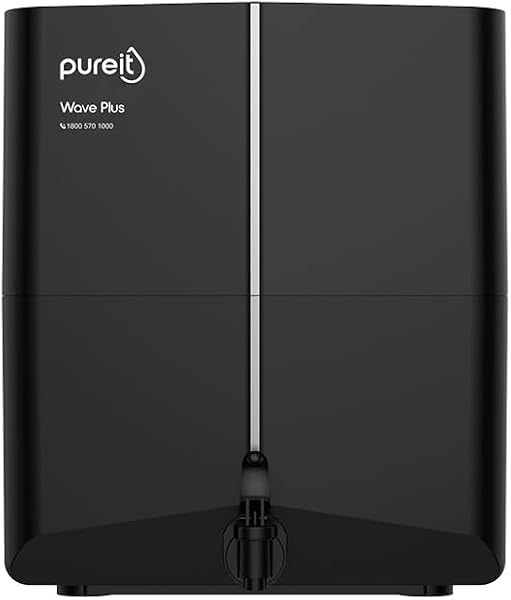
If you've been scrolling through water purifier listings on Amazon or Flipkart and the pureit wave plus ro purifier mineral uv black keeps showing up in the recommendations, there's a reason for that. It sits in that sweet spot Indian families care about most — a trusted Hindustan Unilever brand name, a proper RO + UV + mineral setup rather than a stripped-down UV-only unit, and a matte black finish that finally doesn't look like a hospital appliance bolted to your kitchen wall.
But a good-looking purifier and a good purifier are not the same thing. In this guide, we'll walk you through exactly what the Pureit Wave Plus RO Purifier Mineral UV Black does, which homes it genuinely suits (and which ones it doesn't), what you should realistically budget for beyond the sticker price, where to buy it for the best deal, and how to avoid the three most common mistakes people make when buying an RO purifier in India. By the end, you'll know whether this is the right ₹13,000–₹16,000 spend for your kitchen — or whether your money is better placed elsewhere.
Understanding the Pureit Wave Plus RO Purifier Mineral UV Black
The Pureit Wave Plus is a wall-mounted, storage-tank water purifier built around reverse osmosis as its primary purification technology, with UV and a mineral-enhancement stage layered on top. In plain terms: RO handles dissolved impurities (salts, heavy metals, excess TDS), UV handles any biological contaminants that survive the process, and the mineral cartridge adds back a measure of taste and beneficial minerals that RO tends to strip out along with everything else.
The "Black" in the product name refers to the colour variant. Pureit sells the Wave Plus in more than one finish, and the black version has become the more popular one simply because it hides water stains, dust, and the occasional kitchen splash far better than white plastic does. Same internals, different shell — so don't pay a premium for the colour unless it's the only variant in stock.
What each purification stage actually does
Pureit describes the Wave Plus as a multi-stage purification system. Depending on how you count the external pre-filter, the stage count is usually listed as seven or eight, but here's what matters in practice:
- Pre-filter / sediment stage: Catches mud, rust particles, and sand before they reach the expensive cartridges. This is the cheapest part to replace and the one most people ignore — which is exactly why their RO membrane dies early.
- Pre-carbon filter: Removes chlorine, bad odour, and organic compounds. This is what makes borewell water stop smelling like a swimming pool.
- RO membrane: The workhorse. Forces water through a semi-permeable membrane to reject dissolved salts, heavy metals, pesticides, and excess TDS. It's also the component that wastes some water as reject — expect a recovery ratio in the region of 50%, meaning roughly half the input water comes out as drinkable water.
- Mineral enhancer: Adds back calcium and magnesium to improve taste and bring the water's mineral profile closer to natural. It doesn't turn RO water into a supplement — treat it as a taste and palatability improvement, not a health cure.
- UV reactor: A germicidal lamp that neutralises bacteria and viruses in the stored water, so water sitting in the tank overnight doesn't go stale or contaminated.
- Post-carbon / taste polishing: Final pass to make sure the water tastes clean and neutral.
Why the mineral and UV combination matters for Indian homes
Most Indian municipal water is chlorinated, which is good for safety but terrible for taste. RO strips the chlorine — along with the minerals — and the result is flat, slightly metallic water that families, especially children, simply refuse to drink enough of. The mineral stage exists precisely to fix that. Meanwhile, the UV stage matters most in homes where the tank is filled in the morning and consumed through the day, or where there are frequent power cuts and the stored water sits for hours. An RO-only unit gives you purified water; an RO + UV + mineral unit gives you purified water people will actually finish their glass of.
Pureit Wave Plus Black: Key Specifications at a Glance
Specs on the Wave Plus have been revised across listings, so always confirm the exact numbers on the product page before you buy. Here's the configuration you should expect from the current retail listing:
| Feature | What to Expect |
|---|---|
| Purification technology | RO + UV + mineral enhancement (multi-stage) |
| Storage tank | Approx. 7 litres, food-grade plastic |
| Purification capacity | Roughly 12–15 litres per hour, depending on input water pressure and TDS |
| Installation type | Wall-mounted (countertop placement not recommended) |
| Indicators | Purification and tank-full indicators; filter-change alert |
| Power requirement | Standard 230V single-phase; negligible running cost |
| Colour | Matte black |
| Warranty | Typically 1 year comprehensive, with extended coverage on the RO membrane in some offers — verify at purchase |
| Street price | Usually ₹12,500–₹15,500 after discounts (MRP is quoted higher, around ₹17,000–₹18,000) |
A 7-litre tank is the right answer for a family of three to five. If you're a family of six or more, or you live in a building with erratic supply and need to stockpile, you'll find yourself refilling twice a day during summer — in which case look at a larger-tank model or keep a second purifier for the kitchen.
Key Factors to Consider Before Buying This Purifier
1. Your source water TDS — the single most important number
RO is not automatically the right choice for everyone. If your tap water TDS is under 200 ppm, an RO purifier is overkill — it will strip minerals and waste water for no real benefit, and a good UV + UF purifier would serve you better and cheaper. RO earns its keep when TDS is above roughly 300–500 ppm, which is typical of borewell water in parts of Delhi NCR, Hyderabad, Chennai, Jaipur, and Ahmedabad. Buy a ₹200 TDS meter on Amazon before you buy the purifier; it's the best money you'll spend on this decision.
2. Water hardness and the pre-filter habit
If your water is hard (high calcium and magnesium) or has visible suspended particles, the pre-filter and sediment cartridges will need more frequent replacement. Budget for this. A ₹500 pre-filter changed every 3–4 months is what keeps a ₹1,500 membrane alive for three years instead of eighteen months.
3. Running costs, not just purchase price
A water purifier in India has a purchase price and a maintenance price, and the two are very different conversations. Realistically, plan for ₹2,000–₹3,500 per year in consumables — pre-filter, sediment and carbon cartridges — with the RO membrane (₹1,200–₹1,800) and UV lamp (₹500–₹800) as occasional bigger hits every 18–24 months. Ask about Pureit's AMC plan at the time of purchase; for a lot of families it works out cheaper than paying per-visit.
4. Service network in your city
This is where Pureit genuinely wins against no-name online brands. HUL's service footprint covers most tier-1 and tier-2 cities with authorised technicians, and you can raise a complaint through the Pureit app or helpline. Before buying, search your pin code on the Pureit service locator — if you're in a smaller town, confirming local technician availability is worth ten minutes of your time.
5. Kitchen space and mounting surface
Measure your wall. The Wave Plus needs a solid wall area roughly the width of a large microwave, plus clearance below for the tap and above for the lid. Also check that a power socket is within reach — an extension cord dangling over a wet kitchen counter is an accident waiting to happen.
Pros and Cons of the Pureit Wave Plus RO Purifier Mineral UV Black
What works well
- Genuine multi-stage purification: RO + UV + mineral is a properly complete stack for Indian conditions — no missing stage that you'll regret in monsoon.
- Trusted brand, reliable service: Pureit's HUL backing means authorised technicians, genuine spares, and a functioning helpline. This matters more than most buyers realise until the first breakdown.
- The black finish is genuinely practical: Matte black hides water marks, dust, and the yellowing that white plastic develops after two summers in a kitchen.
- Mineral enhancement improves taste: Families with children and elderly members report noticeably better acceptance of the water, which translates to actual hydration rather than nagging.
- Storage tank means water during power cuts: A 7-litre tank gives you a buffer — useful in areas with load shedding or during the summer supply crunch.
- Sensible operating cost: Electricity consumption is minimal, and the consumable schedule is predictable.
What to be aware of
- Water wastage from RO: Roughly half the input is rejected. If your building charges for water or you're in a drought-prone area, factor this in.
- 7 litres isn't enough for large families: Six-plus members will refill frequently.
- Consumables are not free: Some listings look cheap because the first-year cartridge cost is separate. Read the fine print on what's bundled.
- Requires wall mounting: Renters who move frequently should check whether their landlord permits drilling, or choose a countertop-friendly model instead.
- Not a fluoride or arsenic specialist: If your water report shows high fluoride or arsenic, you need a purifier with a dedicated media stage, not a standard RO. Get your water tested first.
How It Compares at Different Price Points
The Indian RO purifier market splits roughly into three bands, and it's worth knowing what each buys you before you commit.
Under ₹10,000 — entry-level RO
Models in this band typically give you RO + UV with a smaller tank and a thinner service network. Some are online-only brands where spare availability two years down the line is genuinely uncertain. If budget is tight, consider a Pureit model in this range rather than an unfamiliar brand — you'll pay slightly more for the same specs, but the service guarantee is what you're really buying.
₹12,000–₹16,000 — the sweet spot (this is where the Wave Plus sits)
This is where you get RO + UV + mineral, a 7-litre tank, a real brand with a service network, and a design that doesn't embarrass your kitchen. Alternatives worth comparing directly include the Pureit Marvel (similar tech, different tank size and design) and the Kent Grand Plus (a comparable RO+UV+UF unit, often priced close, with Kent's own service network and a strong presence in South India). Both are legitimate choices — the Wave Plus tends to edge ahead on aesthetics and mineral enhancement, while Kent is a strong pick if you're in a city where their service is faster.
₹18,000 and above — premium features
Above this line you're paying for copper-infused tanks, larger storage, alkaline or antioxidant claims, or smart app connectivity. Some of these features are genuinely useful (copper does have antimicrobial properties; app-based filter alerts are convenient), but many are marketing. Unless a specific feature solves a specific problem in your home, the ₹12,000–₹16,000 band delivers 90% of the practical value.
Where and When to Buy for the Best Price
Pricing on the pureit wave plus ro purifier mineral uv black moves around more than most appliances, because it's a high-rotation SKU that goes on discount during every major sale event. Here's the practical playbook:
- Amazon India: Usually the most aggressive on price during Prime Day and the Great Indian Festival (typically September–October). Check whether the listing is sold by Amazon or a third-party seller — Amazon-fulfilled listings are safer for warranty claims.
- Flipkart: Frequently matches or beats Amazon during Big Billion Days (also around September–October) and Big Saving Days. Bank offers on Flipkart Axis and HDFC cards often shave another ₹750–₹1,500.
- Croma and Reliance Digital: Offline chains are worth checking for the black variant specifically, because they sometimes bundle free installation plus an extended warranty that online listings charge for separately. You also get to see the finish before buying.
- Pureit's own website / HUL authorised dealers: Occasionally run exchange offers on old purifiers and bundled AMC plans that work out cheaper over three years.
Timing tip: If you can wait, the September–November festive window is consistently the best time to buy — discounts of 20–25% off MRP are normal, and bank cashback stacks on top. Avoid buying in a panic during a supply disruption or an urgent need week; you'll pay full price. If you can't wait, at least compare across all four channels on the same day before clicking buy, and check for no-cost EMI on cards if you'd rather spread the cost.
One more thing: Confirm whether installation is included free in the listing. It usually is with Pureit, but "free installation" sometimes excludes the tap fitting or additional plumbing if your kitchen doesn't already have a purifier connection point. Ask before delivery, not after.
Real-World Usage Tips for Indian Households
Owning the purifier is the easy part. Getting five years of reliable performance out of it comes down to a handful of habits:
- Change the pre-filter every 3–4 months. It's the cheapest component and the one that protects everything else. If you can see brown discolouration on it, it's overdue.
- Drain the tank if you're going away. Water sitting in a tank for two weeks during a holiday is a bacterial playground. Empty it, and let it refill fresh on return.
- Don't ignore the filter-change indicator. Pureit's alert system exists because cartridges degrade invisibly. A cartridge that's "still working" is often just not purifying properly anymore.
- Reuse the reject water. Route the RO reject line into a bucket and use it for mopping, watering plants, or flushing. In a 4-member household, that's easily 20–30 litres a day you're otherwise pouring down the drain.
- Get the water tested once a year. Many municipal bodies and local labs do this cheaply, or a ₹300 test kit will do. Water quality changes — new pipelines, new borewells, new neighbours — and your purifier settings should follow.
- During monsoon, be extra careful. If your supply gets muddy or the TDS spikes, the pre-filter will clog faster. Check it more often in July–September.
- Keep the service receipt trail. Warranty claims on the RO membrane go much smoother when you can show that consumables were replaced on schedule.
Frequently Asked Questions
Is the Pureit Wave Plus RO Purifier Mineral UV Black suitable for borewell water with high TDS?
Yes, this is precisely the scenario RO is designed for. If your TDS is in the 500–1,500 ppm range, RO will bring it down to a drinkable level while the mineral stage restores some palatability. Above roughly 2,000 ppm, you should get your water professionally tested first — extremely high TDS may need pre-treatment or a different purifier configuration, and the RO membrane will degrade faster regardless of brand.
What does it actually cost to run each year?
Budget ₹2,000–₹3,500 annually for consumables in a typical household — pre-filter, sediment and carbon cartridges. Add ₹1,200–₹1,800 for an RO membrane replacement every 18–24 months and ₹500–₹800 for a UV lamp when it fails. Electricity is negligible, roughly ₹100–₹150 a month at most. An AMC plan often brings the total down and removes the surprise-element from maintenance.
Does it work during a power cut?
The purifier itself needs electricity to purify, but the 7-litre storage tank means you'll still have purified water available during an outage — you just can't refill the tank until power returns. For homes with long daily outages, this is a meaningful advantage over tankless instant-purification models.
Will the black finish show scratches and fingerprints?
Less than glossy finishes, more than you'd hope. Matte black hides water spots and dust beautifully, but oily fingerprints from kitchen hands do show. A quick wipe with a dry microfibre cloth once a week keeps it looking new. Avoid abrasive scrubbers — they'll leave permanent dull patches on the matte surface.
How often should the mineral cartridge be replaced?
Typically once a year, or as indicated by the filter-change alert. If you notice the taste becoming flat or slightly metallic before the alert triggers, that's your cue. Do note that the mineral enhancer is a taste and palatability feature — it is not a nutritional supplement and shouldn't be marketed to you as one.
Is installation free, and can I do it myself?
Pure
Affiliate Disclosure:
This post contains affiliate links. We may earn a commission when you purchase through our links, at no extra cost to you.
Share this:


