Dreame F10 Robot Vacuum and Mop Combo: Is It the Right 2-in-1 for Your Indian Home?

About Rahul Verma: Rahul is a tech enthusiast and gadget reviewer with over 8 years of experience testing consumer electronics. He specializes in audio gear, smartwatches, and mobile accessories. When he is not testing products, you will find him exploring the latest in AI and smart home technology.

Sweeping and mopping a 2BHK takes the better part of an hour, and in most Indian homes it happens twice a day. Add dusty roads, open windows, pet hair, monsoon humidity and the occasional atta spill, and the broom-and-bucket routine starts to feel like a second job. That is exactly the gap the dreame f10 robot vacuum and mop combo is designed to fill — a mid-range robot that sweeps and wipes in a single pass without asking you to spend ₹50,000 on a self-emptying, self-washing flagship.
In this guide, we break down what the F10 actually does well, where it cuts corners, how it stacks up against alternatives at nearby price points, and — most importantly for a transactional buyer — when and where to buy it in India so you don't overpay. By the end you will know whether the dreame f10 robot vacuum and mop combo belongs in your living room or whether your money is better spent one tier up.
What Exactly Is the Dreame F10 Robot Vacuum and Mop Combo?
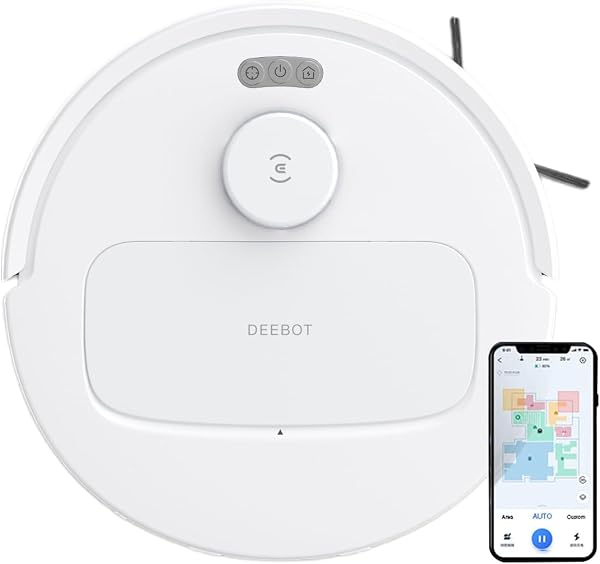
The Dreame F10 is a two-in-one floor-cleaning robot: a vacuum that lifts dry dust, crumbs and hair into an onboard dustbin, and a mop that drags a dampened pad across hard flooring using water from an integrated tank. It uses LiDAR-based laser navigation to map rooms, builds a floor plan you can see in the app, and lets you set no-go zones, room-by-room schedules and suction levels.
The crucial thing to understand about the dreame f10 robot vacuum and mop combo is that it sits in Dreame's mid-range bracket — not the flagship tier. That means you get proper laser mapping and app intelligence (the stuff that makes a robot feel genuinely smart) but you do not get a self-emptying dock, automatic mop-pad washing, hot-water cleaning or auto mop-lift. You empty the bin yourself, rinse the pad yourself, and fill the water tank yourself. In exchange, you pay a fraction of what the L-series flagships cost.
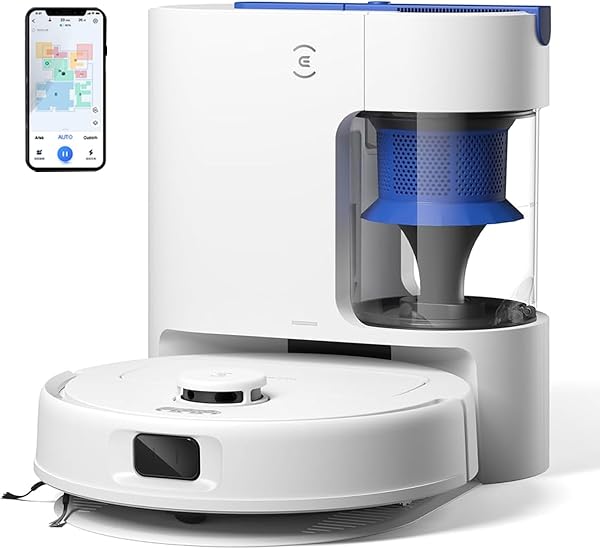
For a lot of Indian buyers, that is the right trade-off. A self-empty base is convenient, but it also means 3-litre dust bags that cost ₹400–600 each and a bulky dock that needs permanent floor space near a socket.
Why a 2-in-1 Robot Makes Sense in Indian Homes
Indian flooring is overwhelmingly hard — vitrified tiles, ceramic, marble, granite and the occasional wooden laminate in bedrooms. That is the ideal surface for a robot mop, because a damp pad can genuinely pick up the fine dust film that a broom only pushes around.
Second, our dust load is heavy. A robot that runs daily at low power often keeps floors cleaner than a thorough manual sweep twice a week, simply because frequency beats intensity. Third, most Indian apartments are 600–1,400 sq ft — well within the coverage of a single mid-range battery charge.
What robots struggle with here is also predictable: threshold strips between rooms, thick door mats, balcony grime, wet bathroom floors and loose rangoli powder. Keep those expectations realistic and a mid-range unit like the F10 will feel like excellent value.
Key Factors to Consider Before Buying the Dreame F10 Robot Vacuum and Mop Combo
1. Suction Power and What It Can Realistically Pick Up
Dreame quotes suction in the 4,000 Pa class for the F10, which is comfortably above entry-level robots (2,000–2,700 Pa) and enough for tile, marble and low-pile rugs. It will lift rice grains, biscuit crumbs, hair and fine dust. It will not deep-clean a thick shaggy carpet the way a 6,000+ Pa flagship with a motorised brush will. If your home is 80% hard floor, this is a non-issue.
2. Navigation and Mapping Quality
LiDAR is the single biggest quality-of-life feature in a robot vacuum. It means systematic, row-by-row cleaning instead of random bumping, reliable no-go zones, and multi-floor map storage. The dreame f10 robot vacuum and mop combo uses laser navigation rather than a camera-based system, which is generally better in Indian homes because it works in darkness and does not depend on lighting conditions.
3. The Mop System — Read the Fine Print
Mid-range robots use a flat, drag-style mop pad fed by an electric or gravity water tank. This is a wipe, not a scrub. It handles everyday dust film, light kitchen grease and dried spills that have been softened. It will not remove stubborn stains, and it should never be used on wet bathroom floors or on carpets. If you expect a robot to replace a bucket-and-scrub mop, you will be disappointed.
4. Bin and Tank Capacity
Smaller dustbins mean more frequent emptying — typically every 1–2 cleaning runs in a dusty Indian home. Water tanks in this class usually cover 1,000–1,500 sq ft per fill at medium water flow. Neither is a dealbreaker, but plan for a small routine: empty the bin after each run, top up the tank before each mop.
5. App Ecosystem and Voice Control
Dreame's app is one of the better ones in this segment — room labelling, selective room cleaning, suction/water-level adjustment, scheduling, and firmware updates. Alexa and Google Assistant integration means you can say "start cleaning the living room" from the sofa. Check that the app is downloadable in India and that the unit ships with an India-compatible plug and warranty.
6. Service Network and Warranty
This is the most under-rated factor for Indian buyers. Confirm a 1-year (or better) India warranty backed by an authorised importer, and check whether service is handled locally or requires shipping the unit to a metro. Grey-market imports save ₹2,000–3,000 upfront and cost far more if something fails.
Where the Dreame F10 Sits in the Market: Price Ladder
Prices below are indicative street prices on Amazon India and Flipkart and move sharply during sale events. Always verify on the live product page.
| Model | Approx. Price | Suction | Mopping | Base Station | Best For |
|---|---|---|---|---|---|
| Mi Robot Vacuum-Mop 2i | ₹11,000–13,000 | ~2,700 Pa | Basic tank + pad | Charging only | Budget entry, small flats |
| Dreame F10 | ₹16,000–19,000 | ~4,000 Pa | Electric tank + pad | Charging only | Best balance of mapping + price |
| Dreame D10s Plus | ₹22,000–26,000 | ~5,000 Pa | Pad, mop lift | Self-empty (3L bag) | Those who hate emptying bins |
| Ecovacs Deebot N10 Plus | ₹25,000–32,000 | ~3,000 Pa | Pad + ozonation option | Self-empty | Large homes, brand assurance |
| Dreame L10s Prime | ₹32,000–38,000 | ~5,000+ Pa | Dual rotating mop discs | Self-empty | Serious mopping performance |
| Dreame L20 Ultra | ₹60,000+ | ~7,000 Pa | Self-wash, hot water, auto lift | Full auto base | Hands-off flagship experience |
The sweet spot is obvious. The dreame f10 robot vacuum and mop combo gives you laser mapping, app control and usable mopping for roughly the price of a decent mid-range entry robot — the ₹6,000–8,000 jump to a self-emptying model buys convenience, not cleaning power.
Pros and Cons of the Dreame F10
What Works Well
- Genuine LiDAR mapping at a mid-range price. Room-by-room cleaning, no-go zones and reliable route planning are what separate a useful robot from a toy, and the F10 has them.
- Simultaneous vacuum and mop. One pass over hard floors handles both dust and the fine film left behind by a broom.
- Compact, unobtrusive dock. No 3-litre bag base hogging floor space in a small apartment.
- Low running cost. No proprietary dust bags, no mop-washing detergent, no filters beyond the standard washable mesh + HEPA setup.
- App quality. Dreame's software is mature, well-translated and receives regular updates.
Where It Falls Short
- Manual emptying and pad rinsing. If you wanted a "set and forget" robot, this is not it.
- Drag-style mopping. Light wiping only — no scrubbing, no rotating discs, no mop lift (so you must remove the pad before vacuuming carpets).
- No obstacle-avoidance camera. Laser navigation maps walls superbly but will not dodge a charging cable or a shoe left in the way. You have to tidy before you run it.
- Water tank is small — expect refills mid-run in larger 3BHKs.
- Service reach. Dreame's India network is growing but is thinner than iRobot's or Ecovacs' in tier-2 cities.
Buying Guide: When and Where to Buy in India
Best Places to Buy
Amazon India is usually the most competitive on price and offers the widest choice of seller-backed warranty options; check that the seller is Dreame's authorised seller or a reputed retailer. Flipkart frequently matches or undercuts Amazon during Big Billion Days and often bundles an exchange offer worth ₹1,500–3,000 on an old vacuum. For offline buyers, Croma, Reliance Digital and Vijay Sales stock Dreame models in metro cities — you will pay closer to MRP but get a physical demo and in-store service escalation. The Dreame India official store is worth checking for launch-day offers and extended warranty bundles unavailable elsewhere.
The Sale Calendar That Actually Saves Money
- Amazon Great Indian Festival / Flipkart Big Billion Days (Sept–Oct): Historically the deepest cuts on robot vacuums — 20–30% off MRP is common.
- Republic Day and Prime Day (Jan / July): Smaller but reliable discounts, often paired with bank card offers.
- Diwali window (Oct–Nov): Best time for exchange and no-cost EMI bundles.
- Bank offers: A 10% instant discount on HDFC, ICICI or Axis credit cards is standard during these events and often stacks on top of the listing discount.
Practical tip: put the product in your cart and set a price alert for two to three weeks. The dreame f10 robot vacuum and mop combo regularly swings by ₹2,000–4,000 between normal days and sale days, and buying three days before a sale is the most common way Indian shoppers lose money.
What to Verify at Checkout
- India warranty card and authorised importer details in the product description.
- That the listing says "Dreame F10" specifically — variants across regions differ in bin size and mop type.
- Whether spare side brushes, filters and mop pads are separately available on Amazon India (they usually are, but worth a two-minute check).
- Return window and whether the seller accepts returns on opened units.
Real-World Usage Tips for Indian Households
Vacuum first, mop second — on separate runs. Running both simultaneously on a dusty floor turns dust into mud streaks. Do a dry vacuum pass in the morning and a mop pass in the evening for best results.
Use filtered or RO-reject water in the tank. Indian tap water is hard, and hard water leaves a white film on dark tiles and clogs the drip mechanism over months. Never add floor cleaner directly to the tank — use only the manufacturer's solution or plain water, or the internal tubing will clog.
Manage thresholds and mats. Robots climb about 15–20 mm. Thick wooden thresholds, bathroom lips and heavy doormats will stop the F10. Either add a slim rubber ramp or set a no-go zone.
Pre-clear the floor. Because the F10 relies on LiDAR rather than an obstacle-detection camera, five minutes of tidying — charger cables, dupattas, socks, pet toys, rangoli — saves you ten minutes of untangling the brush roll later.
Schedule it while you are out or getting ready. At roughly 60–65 dB, it is quieter than a mixer grinder but noticeable in a quiet room. A 9:30 am schedule after everyone leaves is the sweet spot.
Empty the bin after every run during summer and the pre-monsoon dusty weeks, and rinse the mop
Affiliate Disclosure:
This post contains affiliate links. We may earn a commission when you purchase through our links, at no extra cost to you.
Share this: