iLife T20s Pro Robot Vacuum Cleaner with Advanced LiDAR Navigation: India Price, Review & Buying Guide

About Rahul Verma: Rahul is a tech enthusiast and gadget reviewer with over 8 years of experience testing consumer electronics. He specializes in audio gear, smartwatches, and mobile accessories. When he is not testing products, you will find him exploring the latest in AI and smart home technology.

If you've been sweeping and mopping a 3BHK every single morning, you already know the drill: dust returns within four hours, the corner near the balcony door collects a fresh layer of soot by evening, and weekends disappear into deep cleaning. A robot vacuum that actually navigates your home intelligently — instead of bumping around like a toy car — is the upgrade that changes this routine permanently.
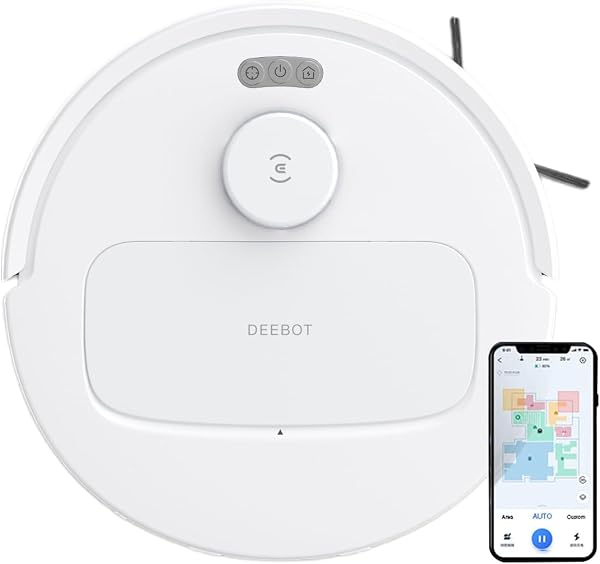
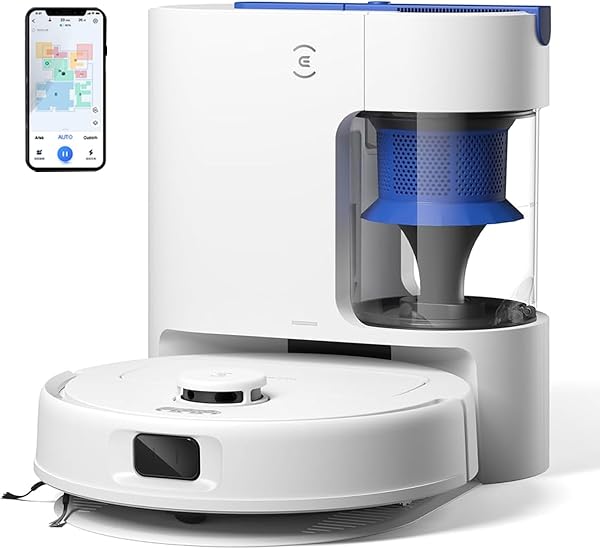
The iLife T20s Pro robot vacuum cleaner with advanced LiDAR navigation sits in the sweet spot of that upgrade: laser-based mapping, strong suction, a genuine mopping function, and a self-emptying dock that means you touch the dustbin roughly once every two months. It's not the cheapest robot vacuum in India, and it isn't the most feature-loaded either — but for most middle-class Indian homes, the balance is hard to beat.
This guide covers what the T20s Pro actually does well, where it falls short, how it compares with alternatives at ₹14,000, ₹22,000 and ₹40,000, current India pricing, and the exact timing you should use to buy it at its lowest price on Amazon or Flipkart.
What Is the iLife T20s Pro Robot Vacuum Cleaner with Advanced LiDAR Navigation?
iLife is a Chinese robotics brand that has been making robot vacuums since 2010 and is distributed in India primarily through Amazon.in. The T20s Pro is its mid-premium offering — a 2-in-1 vacuum and mop that uses a spinning laser turret on top to build a digital map of your home rather than wandering randomly.
The "Pro" designation here mainly refers to the bundle: the robot ships with a self-emptying base station that holds a disposable dust bag rated for roughly 45–60 days of debris. That single feature is what separates a device you use every day from one you quietly stop using after three weeks — emptying a 300 ml dustbin after every single run gets old fast.
Why Advanced LiDAR Navigation Matters in Indian Homes
Older budget robot vacuums use gyroscope-based or random-bounce navigation. They work, but they're inefficient: they re-cross clean areas, miss others, and often need two or three passes to cover a room. LiDAR (Light Detection and Ranging) fires laser pulses that bounce off walls and furniture, measuring distances to build a precise floor plan within minutes.
In practical Indian terms, this matters for a few very specific reasons:
- Furniture-dense living rooms. Most Indian homes have a sofa, coffee table, centre table, TV unit and two chairs packed into 180 sq ft. Random-bounce robots circle these endlessly; a LiDAR robot plans an efficient boustrophedon (back-and-forth) path around them.
- Scheduled cleaning while you're at work. Because the map is stored, you can set the T20s Pro to clean the bedrooms at 10 AM and the living area at 11 AM without it accidentally wandering into the kitchen where the masala dabba is open.
- No-go zones and virtual walls. Draw a box around the pooja room, the rangoli at the entrance, or the dog's feeding mat in the app — the robot simply won't enter. Camera-based navigation struggles here in low light; LiDAR works in complete darkness.
- Multi-floor homes. You can save multiple maps and carry the robot upstairs; it will recognise the floor and load the correct layout.
LiDAR vs. Gyroscope vs. Camera Navigation
Gyroscope robots (typically ₹9,000–₹13,000) have no idea where they are — they use dead reckoning and gradually drift. Camera-based VSLAM robots (₹15,000–₹20,000) are accurate but need decent lighting to map properly. LiDAR is the most reliable in a dark, cluttered Indian flat, which is why the T20s Pro's navigation is its strongest selling point. The trade-off is the raised turret on top, which makes the robot about 96–98 mm tall — it won't slide under a bed with less than 10 cm clearance.
iLife T20s Pro: Key Specifications at a Glance
| Feature | Specification |
|---|---|
| Navigation | LiDAR (LDS) with SLAM mapping, multi-floor maps, app-based no-go zones |
| Suction power | Up to 4,000 Pa, 4 adjustable levels + carpet auto-boost |
| Mopping | Electronically controlled water tank (~250–300 ml), 3 water flow levels, removable microfibre pad |
| Dustbin | ~300 ml onboard, plus self-emptying base with ~3 L bag (approx. 45–60 days) |
| Battery | 5,000 mAh Li-ion, roughly 180–200 minutes on quiet mode |
| Climbing ability | ~20 mm thresholds; anti-drop and anti-collision sensors |
| Control | iLife Home app, Alexa and Google Assistant, physical buttons |
| Noise | ~65 dB on standard, higher on max suction |
| Typical India price | ₹22,000–₹28,000 (MRP higher; sale prices dip to ₹19,000–₹21,000) |
Specifications and prices change with revisions and seller listings — always confirm the current details on the product page before you buy.
Key Factors to Consider Before Buying a LiDAR Robot Vacuum in India
1. Suction power versus your flooring
If your home is 100% vitrified tiles or marble, 2,000–2,700 Pa is genuinely enough. You need 4,000 Pa and above for two situations: wall-to-wall carpets or large rugs, and homes with pets or heavy road-dust ingress (common in Delhi NCR, Mumbai, and any ground-floor flat near a main road). The T20s Pro's 4,000 Pa is comfortable for Indian tile floors and adequate for low-pile rugs, though not a match for dedicated carpet cleaners.
2. Mopping: understand what it actually is
No robot vacuum at this price scrubs. They drag a damp microfibre pad across the floor, which removes light dust, water stains and daily grime — it is not a substitute for a monthly deep scrub or a traditional wet mop after a festival. What it does replace is the daily "jhadu-pocha" of light dust, which is 80% of the effort. Set expectations accordingly and you'll be delighted; expect a scrubber and you'll be disappointed.
3. Dustbin capacity and self-emptying
A 300 ml dustbin fills up in a single pass in a dusty Indian home during summer. This is the single most common reason people abandon their robot vacuum. The self-emptying dock on the T20s Pro solves it — you swap a bag roughly every six to eight weeks. Factor in the consumable cost: dust bags run about ₹300–₹500 each depending on seller, so budget ₹2,000–₹3,500 per year.
4. Battery life versus home size
Rough rule: a robot covers about 1 sq m per minute on standard mode. A 1,200 sq ft (approx. 111 sq m) carpet area flat needs roughly 110–130 minutes of runtime with auto-recharge-and-resume. The T20s Pro's 5,000 mAh battery comfortably handles a 3BHK in one charge; larger duplexes will need the resume feature.
5. Service network and warranty
This is where you must be careful with iLife in India. Unlike Xiaomi or Ecovacs, iLife's authorised service footprint is limited, and support is largely routed through the Amazon seller. Buy only from the official iLife store or an Amazon-fulfilled seller, keep the invoice, and test every function thoroughly within the return window. A 1-year warranty is standard; confirm whether it's brand warranty or seller warranty in the listing.
6. App quality and language
The iLife Home app is functional rather than polished — English interface, map editing, schedules, suction and water-level controls, and firmware updates. It works, but don't expect the refinement of the Roborock or Dreame apps. If app-level sophistication (room-by-room naming, furniture labels, 3D maps) matters to you, that's a reason to look at the ₹30,000+ segment instead.
Detailed Breakdown: How the iLife T20s Pro Performs
Navigation and mapping in real homes
The first mapping run takes about 15–25 minutes for a 2BHK and is best done with lights on, floors clear, and the robot starting from the dock. After that, the T20s Pro follows a structured back-and-forth path rather than the chaotic wandering of cheaper bots. It handles the classic Indian living-room obstacle course — dining chairs, centre tables, sofa legs — reasonably well, though thin charger cables and dupatta tassels will occasionally trip it up. The virtual wall feature is what most buyers end up using daily.
Cleaning performance on Indian flooring
On vitrified tiles and marble, the T20s Pro picks up the fine grey dust that a jhadu merely redistributes — the difference is noticeable on a white floor within a week. It handles rice grains, biscuit crumbs, chilli flakes and pet hair without complaint. What it does not handle: large debris like whole biscuit wrappers, wet spills, or heavy construction dust from a renovation next door. The main brush is a bristle-and-rubber combination — good on tiles, acceptable on rugs, and prone to tangling with long hair, so plan on a weekly five-minute cleaning session.
Mopping
The electronically controlled water tank is a genuine upgrade over gravity-feed tanks on cheaper models — water doesn't pool when the robot pauses. Three flow levels give you control: level 1 for wooden flooring and laminate, level 3 for tiles in the monsoon when grime is stubborn. The pad is removable and machine-washable. In a 1,000 sq ft flat, expect to refill the tank once mid-cycle if you're running on level 3.
App, schedules and voice control
You can set per-day schedules, adjust suction and water flow separately, view the live map with the robot's position, and trigger spot cleaning. Alexa and Google Assistant integration works for basic commands — "start cleaning," "stop," "return to dock." The genuinely useful bit is the routine: schedule 9:30 AM daily for the whole house, and the machine earns its keep before you're back from work.
Noise and daily livability
At around 65 dB on standard mode, it's roughly the volume of a normal conversation — you can work in the next room, but not take a call in the same one. Max mode is noticeably louder. Most Indian users run it on a schedule when the house is empty, which sidesteps the issue entirely.
Maintenance routine
Realistic weekly upkeep: empty and rinse the water tank, wash the mop pad, clear hair from the main brush, and wipe the LiDAR turret with a dry cloth (dust on the sensor degrades mapping accuracy). Monthly: clean the side brush, check the filter. Every 6–8 weeks: replace the dust bag. This is a low-maintenance machine overall, but it is not zero-maintenance — nobody's is.
Pros and Cons of the iLife T20s Pro
What works well
- LiDAR mapping at a mid-range price. Accurate, fast, works in the dark, supports saved multi-floor maps and no-go zones.
- Self-emptying dock. The single biggest quality-of-life feature in this price band; genuinely reduces abandonment risk.
- 4,000 Pa suction with carpet boost. Enough for Indian tiles, rugs and pet hair.
- Controlled water flow. No puddling, safe for laminate and engineered wood.
- 200-minute runtime. Covers a large 3BHK in one charge.
- Strong value on sale. Under ₹21,000 during festive sales, few rivals match the feature set.
Where it falls short
- Limited India service network. The biggest genuine risk. Buy from Amazon with return protection.
- Raised LiDAR turret. At ~96 mm, it won't fit under low-profile beds and sofas.
- No scrubbing or vibrating mop. It wipes; it doesn't scrub. Hard stains need manual attention.
- App is basic. Functional, but behind Roborock/Xiaomi in polish and room-level customisation.
- Bag-based dock. Recurring consumable cost of ₹2,000–₹3,500 a year; no bagless self-empty option.
- Hair tang
Affiliate Disclosure:
This post contains affiliate links. We may earn a commission when you purchase through our links, at no extra cost to you.
Share this: